Essential Maintenance Tips for Metal Fabrication Machines
Essential Maintenance Tips for Metal Fabrication Machines A sudden machine breakdown halts production and eats into your profits instantly. When a press brake or laser cutter stops working, your entire workshop grinds…
Essential Maintenance Tips for Metal Fabrication Machines
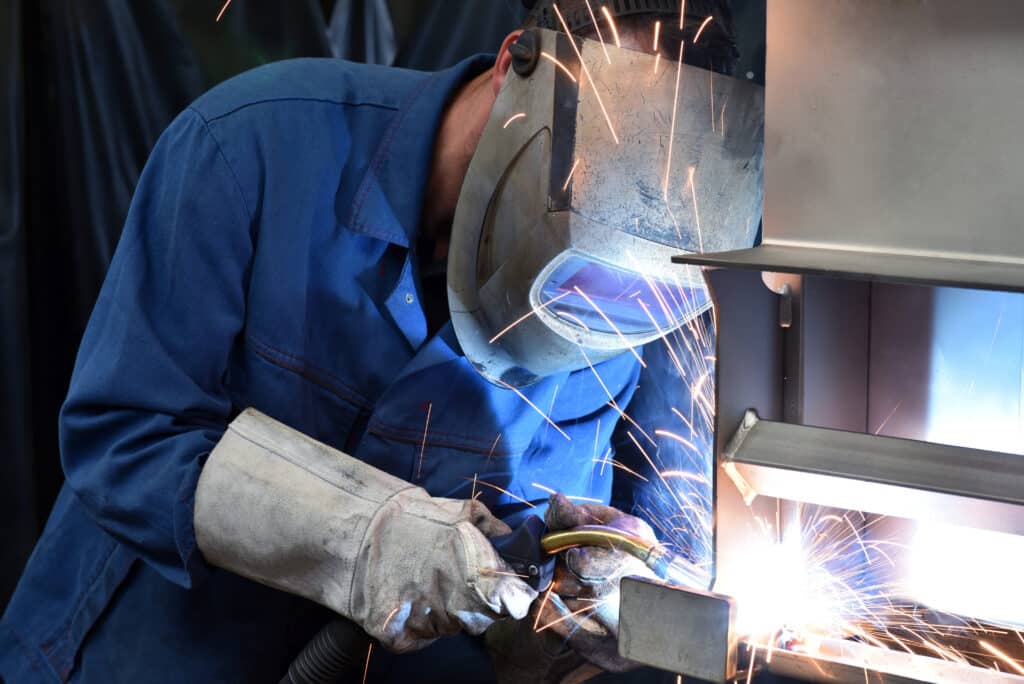
A sudden machine breakdown halts production and eats into your profits instantly. When a press brake or laser cutter stops working, your entire workshop grinds to a painful halt. Metal fabrication requires immense force, extreme heat, and absolute precision. Because of these harsh conditions, your equipment takes a massive beating every single day.
You cannot afford to ignore routine upkeep. Regular maintenance keeps your shop running smoothly, protects your workers, and ensures your finished products meet strict quality standards. We want to help you build a foolproof strategy for taking care of your valuable equipment.
In this guide, we will break down the exact maintenance steps you need to follow. You will learn the best practices for cleaning, lubrication, and part inspections. We will also cover the common problems caused by neglect and show you how to extend the lifespan of your metal fabrication machines.
The Core Pillars of Machine Maintenance
Effective maintenance does not happen by accident. It requires a dedicated routine and a sharp eye for detail. To keep your equipment running at peak performance, you must focus on three main areas: cleaning, lubrication, and thorough inspections.
Keep Everything Spotlessly Clean
Metal fabrication generates a massive amount of debris. Every cut, grind, and bend produces metal shavings, dust, and microscopic particulate matter. If you leave this debris sitting on your machines, it will quickly work its way into the moving parts. This causes severe friction, clogs critical filters, and damages sensitive sensors.
You must clean your machines at the end of every single shift. Use industrial vacuums to remove loose metal shavings from the work area and the machine bed. Wipe down control panels with approved, non-abrasive cleaners to keep buttons and touchscreens fully responsive.
Never use compressed air to blow dust away from the machine. Compressed air simply forces tiny metal particles deeper into the electrical components and slide ways. Instead, rely on vacuums and clean, lint-free rags to wipe away the daily grime.
Stick to a Strict Lubrication Schedule
Friction acts as the ultimate enemy of any metal fabrication machine. Without proper lubrication, metal grinds against metal. This rapid wear and tear destroys expensive components and ruins the accuracy of your cuts and bends. You must keep every moving part well-lubricated to ensure smooth, efficient operation.
Always use the specific oils and greases recommended by the machine manufacturer. Using the wrong type of lubricant can cause sludge buildup or fail to protect the machine under high heat. Check your fluid levels daily and top them off as needed to prevent dry running.
Pay special attention to the linear guides, ball screws, and hydraulic systems. Grease the fittings on a weekly or monthly basis, depending on how many hours the machine runs. Regular lubrication drastically reduces heat buildup and stops premature component failure.
Perform Routine Visual Inspections
You can catch most mechanical issues before they turn into expensive disasters simply by looking closely at your equipment. Routine visual inspections help you spot loose bolts, frayed wires, and worn-out belts. Catching these minor problems early saves you thousands of dollars in major repair bills down the road.
Check your hydraulic lines for any signs of fluid leaks. A small drip might seem harmless, but it indicates a failing seal that could rupture under pressure. Inspect your tooling, blades, and punch dies for chips, cracks, or excessive dullness. Operating a machine with damaged tooling forces the motor to work harder, which quickly burns out the internal components.
Make sure all safety guards and emergency stop buttons function perfectly. Safety should always remain your top priority. If a sensor looks damaged or a guard feels loose, take the machine offline immediately and fix the issue.
Common Issues Born from Machine Neglect
Skipping your maintenance routine always leads to trouble. When you ignore your machines, they will eventually force you to pay attention through sudden breakdowns and ruined materials. Understanding these common issues helps you realize why proactive care matters so much.
Severe Overheating and Friction Damage
When you neglect lubrication and allow dust to accumulate, your machines will overheat. Motors have to pull more electricity to push through the added resistance. This extra electrical draw generates massive amounts of heat, which slowly melts internal wiring and destroys circuit boards.
Overheating also warps the metal components inside the machine itself. Once a slide way or a spindle warps from thermal expansion, the machine loses its structural integrity. You will have to replace the entire assembly to get the machine working properly again.
Inaccurate Cuts and Bending Errors
Metal fabrication demands tight tolerances. If a cut is off by a fraction of a millimeter, the entire welded assembly might fail to fit together. Neglected machines lose their accuracy quickly. Worn-out bearings and loose drive belts create a sloppy, unpredictable movement in the cutting head or the press brake ram.
Dull tooling also causes severe accuracy issues. When a punch or a shear blade loses its sharp edge, it tears the metal instead of cutting it cleanly. This leaves ugly burrs on the edges of your material and wastes valuable time as workers try to grind the flaws away.
Complete Hydraulic System Failure
Hydraulic systems power the heaviest machines in your shop. Press brakes and ironworkers rely on pressurized fluid to generate tons of force. If you fail to change the hydraulic oil and replace the internal filters, dirt and sludge will contaminate the entire system.
Contaminated oil acts like liquid sandpaper. It scores the inside of the hydraulic cylinders and destroys the delicate valves that control the pressure. A complete hydraulic failure usually requires a massive overhaul, draining your maintenance budget and stopping production for weeks.
Actionable Tips to Extend Machine Lifespan
You want your metal fabrication machines to last for decades. Taking a proactive approach to maintenance ensures you get the maximum return on your massive equipment investment. Follow these actionable tips to extend the life of your shop floor assets.
Train Your Operators Thoroughly
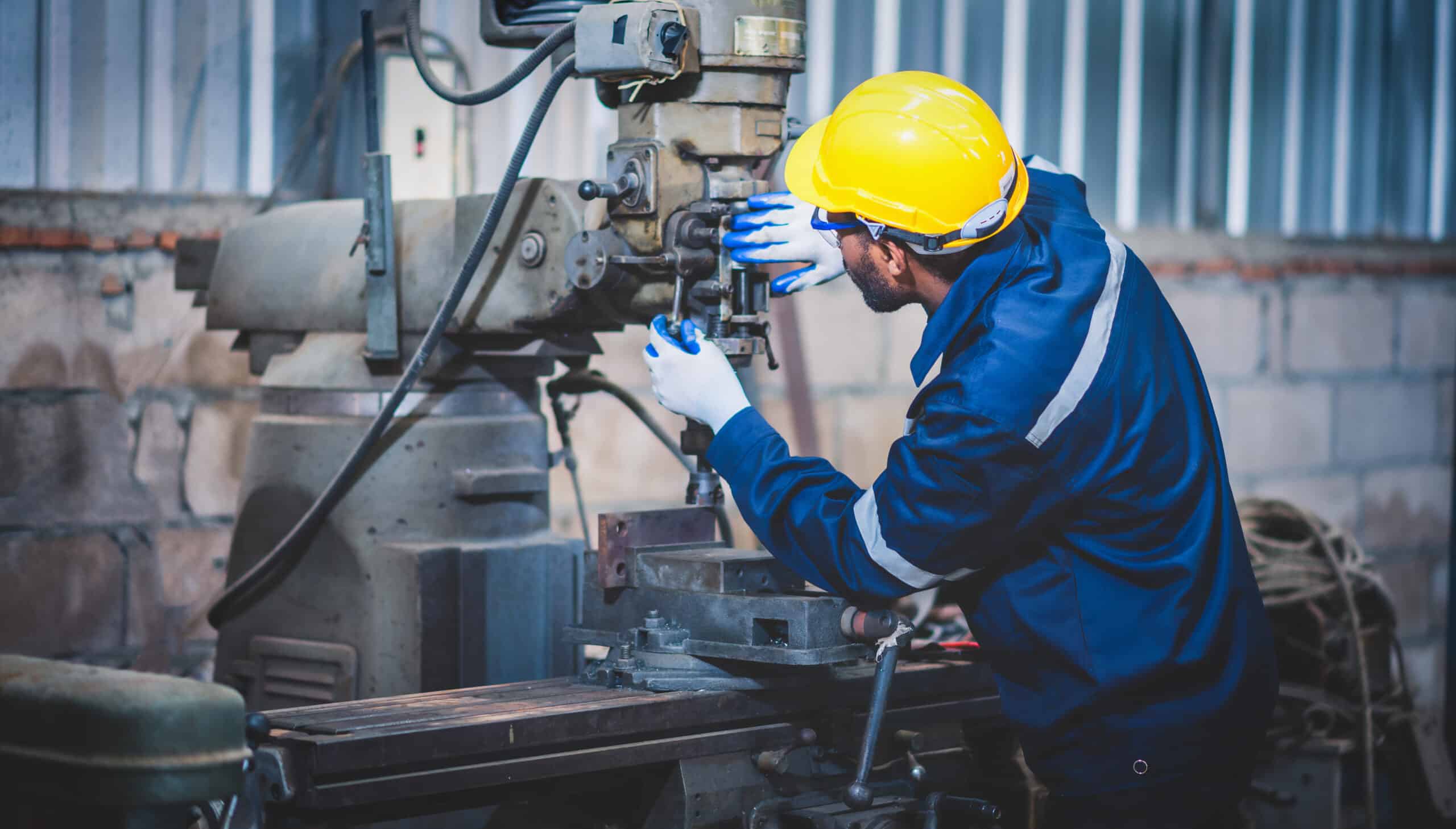
Your machine operators serve as the first line of defense against equipment failure. They spend hours with the machines every day and know exactly how the equipment should sound and feel. You must train them to recognize the early warning signs of mechanical trouble.
Teach your operators how to perform the daily cleaning and lubrication tasks correctly. Give them the authority to stop production if they hear an unusual grinding noise or smell burning wiring. When operators take ownership of their specific machines, overall equipment health improves drastically.
Keep Detailed Maintenance Logs
Memory is a terrible maintenance tool. You cannot rely on someone remembering the last time they changed the hydraulic fluid or greased the ball screws. You must keep a detailed, written log for every single machine in your workshop.
Record every inspection, every oil change, and every part replacement. Note the date, the specific task performed, and the name of the technician who did the work. These logs help you track recurring issues and prove to potential buyers that the machine was well cared for if you ever decide to sell it.
Calibrate Equipment Regularly
Vibration and heavy use slowly knock your machines out of alignment. Even if the machine seems to run fine, the internal geometry might have shifted slightly. You need to calibrate your cutting and bending equipment regularly to maintain perfect accuracy.
Hire a professional technician to laser-check the alignment of your CNC machines and press brakes once a year. They will adjust the software parameters and tighten the physical hardware to bring the machine back to factory specifications. This small annual investment prevents massive material waste.
Find Reliable Machinery on Anything Marketplace
Maintaining your equipment ensures a highly productive and profitable workshop. By keeping your machines clean, well-lubricated, and strictly inspected, you protect your business from the nightmare of unexpected downtime.
Eventually, every machine reaches the end of its useful life, or your business grows enough to require additional capacity. When you need to upgrade your shop, Anything Marketplace makes the process incredibly simple. You can browse a massive selection of high-quality metal fabrication machines from trusted sellers across the country.
Anything Marketplace also connects you with suppliers offering genuine replacement parts, tooling, and industrial lubricants. Whether you need a brand-new fiber laser, a used press brake, or just a replacement hydraulic filter, you will find exactly what you need.
Visit Anything Marketplace today to keep your workshop running at maximum efficiency.
Shop Cars
Find what you need.
Buy or sell anything.
Explore thousands of listings across Australia including cars, trucks, trailers, machinery, farming equipment and more.