How to Choose the Best Car for Your Business Needs
How to Choose the Best Car for Your Business Needs Buying a vehicle for your company represents a major financial decision. Your business car serves as a rolling billboard, a mobile office,…
How to Choose the Best Car for Your Business Needs
Buying a vehicle for your company represents a major financial decision. Your business car serves as a rolling billboard, a mobile office, and a vital tool for your daily operations. If you choose the wrong vehicle, you will face endless repair bills and a cramped, frustrating work environment. Choose the right one, and you will boost your daily productivity while leaving a lasting, professional impression on your clients.
Finding the perfect company car involves much more than simply picking a brand you like. You must look closely at how the vehicle functions under the stress of a busy workday. A local florist requires entirely different features than a traveling software consultant or an executive real estate agent.
In this guide, we will break down exactly how to evaluate your business vehicle needs. You will learn about crucial factors like fuel efficiency, cargo space, and long-term reliability. We will also explore which vehicle types suit specific industries and how you can balance your budget without sacrificing necessary features. Finally, we will show you how to find the exact car your business needs to grow.
Key Factors to Consider When Buying a Business Car
Before you step onto a dealership lot or browse listings online, you need a clear list of requirements. Evaluating these three core factors will quickly narrow down your options and prevent you from making an emotional purchase.
Fuel Efficiency and Energy Costs
Fuel ranks as one of the highest ongoing expenses for any business that relies on driving. When you drive hundreds of miles every week to meet clients or deliver goods, a gas-guzzling engine quickly destroys your profit margins. You must prioritize fuel efficiency to keep your operating costs aggressively low.
If your daily route involves constant stop-and-go city traffic, you should strongly consider a hybrid or fully electric vehicle (EV). Hybrids capture energy during braking, making them incredibly efficient in urban environments. Electric vehicles eliminate gasoline costs entirely and allow you to charge up overnight at a fraction of the cost of a tank of gas.
If you primarily drive long distances on the highway, a highly efficient four-cylinder gas engine or a modern turbo-diesel might offer the best return on investment. Always calculate the estimated monthly fuel costs for any vehicle you consider before making a final decision.
Cargo Space and Passenger Capacity
You must match the physical dimensions of the car to the specific items you transport. Never guess how much space you need. Measure your largest equipment boxes, sample cases, or delivery packages.
If you transport fragile goods, you need a vehicle with a flat loading floor and built-in tie-down hooks to keep everything secure during transit. If you carry expensive tools or electronics, prioritize vehicles with secure, hidden cargo areas like a locked trunk or a dark-tinted rear hatch.
Passenger capacity matters just as much as cargo space. If you regularly drive clients to different locations, you cannot squeeze them into a cramped back seat. You need a vehicle with ample legroom, dedicated rear climate controls, and wide-opening doors that allow passengers to enter and exit gracefully.
Long-Term Reliability and Maintenance
A broken company car halts your cash flow instantly. When your vehicle sits in the repair shop, you miss client meetings, delay important deliveries, and damage your professional reputation. Reliability must act as a primary pillar of your purchasing decision.
Research the historical reliability ratings of the specific makes and models you want to buy. Look for vehicles with a proven track record of reaching high mileage with minimal mechanical issues.
Pay close attention to the warranty coverage. A robust factory warranty provides massive peace of mind, shielding your business from sudden, catastrophic repair bills. You should also consider the availability of replacement parts. Buying a rare, obscure car might seem unique, but you will wait weeks for basic parts to ship from overseas when it breaks down.
Matching the Car Type to Your Specific Industry
Automakers build highly specialized vehicles to solve unique transportation challenges. Identifying the right category of vehicle for your specific industry ensures you get the most value out of your investment.
Professional Sedans and SUVs for Client Services
If you work in real estate, wealth management, or high-level consulting, your car acts as an extension of your professional wardrobe. When you pull up to a meeting or drive a client to a property, your vehicle projects a message about your success and attention to detail.
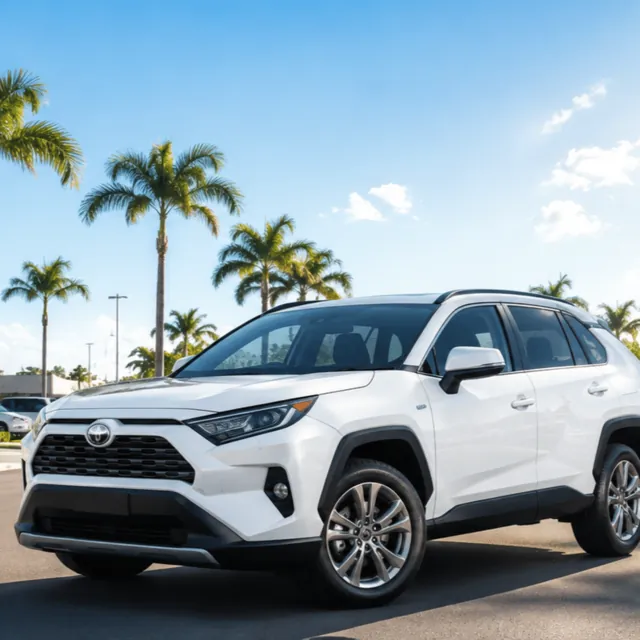
Mid-size luxury sedans and premium SUVs dominate this space. These vehicles offer exceptional ride quality, incredibly quiet cabins, and high-end materials like leather seating. A premium SUV also offers an elevated ride height, giving your clients a better view of the surrounding neighborhoods while you drive.
Compact Hatchbacks for Urban Sales and Delivery
Navigating narrow city streets and fighting for tiny parking spots requires an agile vehicle. Local sales representatives, home health nurses, and small-batch delivery drivers thrive when driving compact hatchbacks.
Hatchbacks offer a surprisingly massive amount of cargo space once you fold the rear seats flat. Their short wheelbases make parallel parking effortless, allowing you to get closer to your destination and save time on every stop. Furthermore, these smaller vehicles usually feature excellent fuel economy, keeping your urban delivery costs incredibly low.
High-Capacity Wagons and Small Vans for Trades
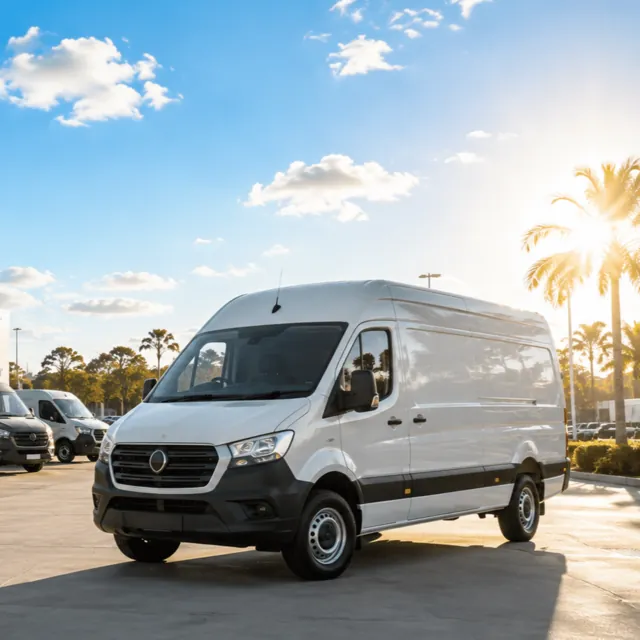
If you run a catering company, a mobile pet grooming service, or an IT networking business, you need serious interior volume. While heavy-duty trucks handle construction, light commercial vans and station wagons offer the perfect solution for carrying bulky, clean equipment.
Small commercial vans feature tall roofs and square cargo areas, allowing you to stack boxes highly efficiently. Many allow you to install custom shelving units to organize your inventory perfectly. Station wagons offer similar cargo lengths but provide a more comfortable, car-like driving experience for long highway journeys.
How to Balance Cost with Essential Functionality
Buying a business car requires a delicate balancing act. You want a vehicle that performs flawlessly and looks great, but you cannot drain your working capital to get it. Use these financial strategies to make a smart, balanced purchase.
Calculate the Total Cost of Ownership
The sticker price only represents a fraction of what a car actually costs your business. To make an accurate financial decision, you must calculate the Total Cost of Ownership (TCO) over a three-to-five-year period.
TCO includes the monthly loan payments, commercial auto insurance premiums, routine maintenance, fuel costs, and annual registration fees. A cheap, older car might save you money upfront, but if it requires premium fuel and constant mechanical repairs, its TCO will quickly exceed the cost of a slightly newer, more reliable vehicle.
Factor in Depreciation and Resale Value
Depreciation acts as the hidden killer of automotive budgets. Some luxury cars lose half their value in the first three years of ownership. When you finally decide to sell the vehicle and upgrade, a massive drop in value leaves your business with very little equity.
To combat severe depreciation, consider buying a gently used vehicle that is two or three years old. The original owner absorbs the harshest drop in value, allowing your business to purchase a modern, reliable car at a significant discount. Stick to brands known for holding their resale value, so you can recover a good portion of your investment when you eventually sell it.
Explore Potential Tax Advantages
The government often provides generous tax incentives for businesses that purchase vehicles. Depending on the weight of the vehicle and how often you use it exclusively for business purposes, you might qualify for significant deductions.
Many businesses use Section 179 of the tax code to deduct the entire purchase price of a qualifying vehicle in the very first year of ownership. This deduction massively lowers your tax burden and frees up cash flow. Always consult with a licensed tax professional before making a purchase to ensure you buy a vehicle that maximizes your specific tax benefits.
Find Your Perfect Business Car on Anything Marketplace
Choosing the best car for your business directly impacts your daily efficiency, your brand image, and your bottom line. By carefully evaluating your fuel needs, cargo requirements, and total budget, you can easily identify the perfect make and model for your company.
When you feel ready to upgrade your corporate fleet or buy your very first business vehicle, Anything Marketplace makes the process completely seamless. We connect business owners directly with reputable commercial dealerships and private sellers offering high-quality vehicles.
You can use our detailed search filters to find highly specific vehicles, from fuel-efficient urban hatchbacks to premium executive sedans. Easily compare mileage, price points, and vehicle histories to ensure you make a confident, informed decision. Visit Anything Marketplace today to secure the reliable, professional vehicle your business needs to accelerate its growth and success.
Shop Cars
Find what you need.
Buy or sell anything.
Explore thousands of listings across Australia including cars, trucks, trailers, machinery, farming equipment and more.