How to Buy a Used Truck, Ute or Van: An Inspection Checklist
A practical checklist for buying a used truck, ute or van: budget, inspection, paperwork and negotiation.
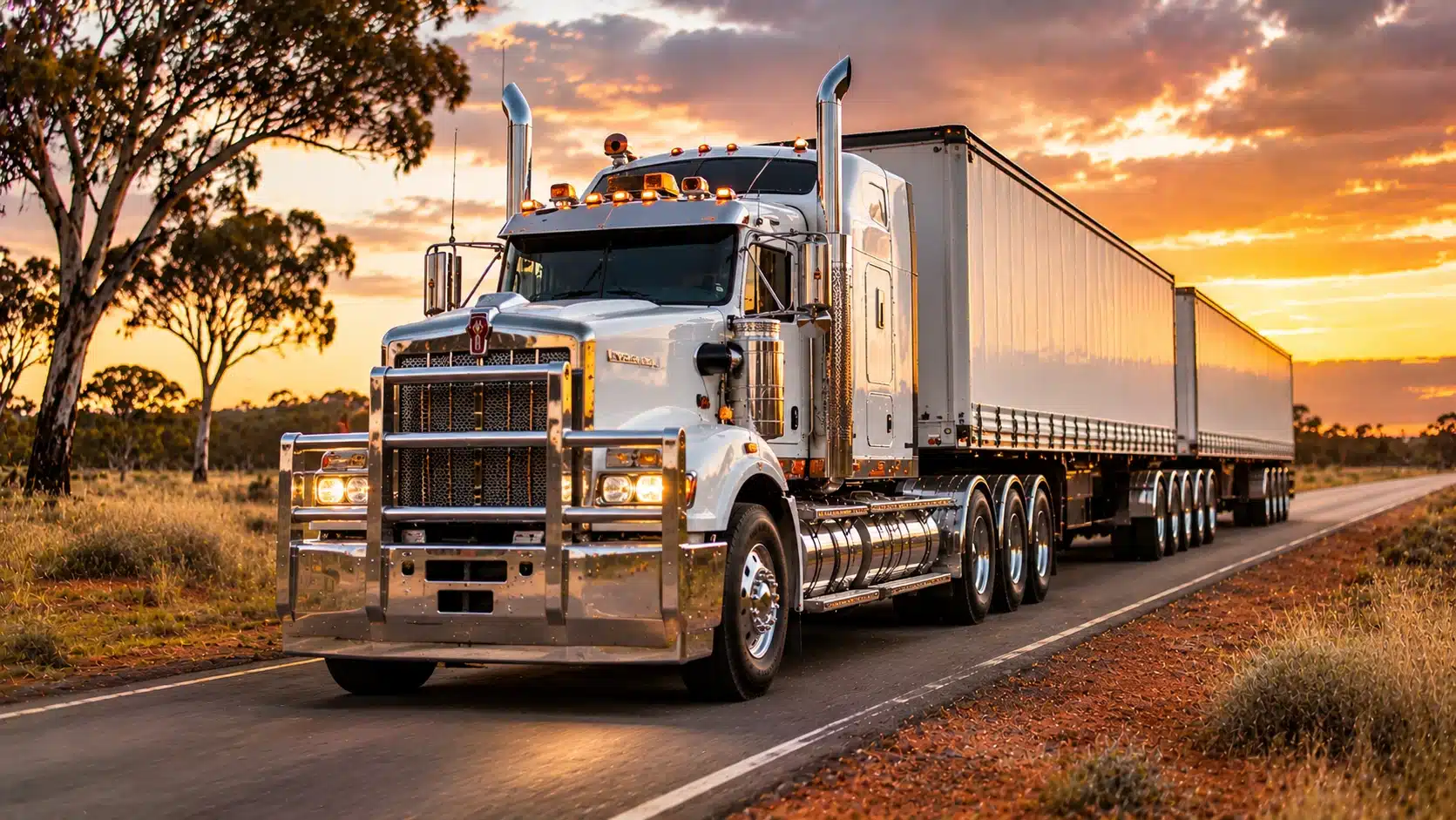
Buying a used truck, ute or van is one of the biggest decisions a small business makes. A good one earns its keep for a decade. A bad one drains cash through repairs and downtime. This checklist walks through what to look at before you hand over any money, so you can compare vehicles with a clear head.
1. Start with the job, not the vehicle
Before you open a single listing, write down what the vehicle has to do. How much weight will it carry or tow? How far will it travel each day? Will it work on bitumen, dirt or both? A tradie who needs a tray ute and a carrier who needs a prime mover are shopping for very different things. Knowing the job keeps you from paying for capacity you will never use, or buying something that is underdone for the work.
2. Set a total budget, not just a purchase price
The sticker price is only the first cost. Add registration, insurance, stamp duty, a pre-purchase inspection and a buffer for the first service. If you plan to finance, work out the weekly repayment you are comfortable with and shop to that number. You can see an indicative weekly figure on every listing, and you can apply for finance before you buy so you know your limit.
3. Read the listing carefully
A good listing tells you a lot before you ever see the vehicle. Look for:
- Clear photos from every angle, including the engine bay, tyres, cab interior and any damage.
- Odometer reading and, for trucks and machinery, engine hours.
- Year, make, model and variant, plus the transmission and body type.
- Service history and the number of previous owners.
- A real price. Be wary of vague pricing or listings that avoid showing the odometer.
If something is missing, ask the seller. A genuine seller will answer straight away.
4. The inspection checklist
When you see the vehicle in person, take your time and go through it methodically.
- Engine and drivetrain: Start it cold. Listen for knocking, ticking or rough idle. Check for blue or black smoke, oil leaks and milky oil on the dipstick.
- Tyres and brakes: Uneven tyre wear can point to alignment or suspension problems. Check pad and rotor condition.
- Chassis and body: Look underneath for rust, cracks, weld repairs and signs of accident damage. Check that panel gaps are even.
- Tray, tipper or fittings: Test hydraulics, tailgates, toolboxes and any fitted equipment.
- Cab and electrics: Test every switch, light, gauge and the air conditioning. Check for warning lights on the dash.
- Test drive: Drive it loaded if you can. Listen for clunks, feel for vibration, and check the gearbox changes cleanly.
5. Check the paperwork
Paperwork protects you more than any inspection. Before you pay, confirm that:
- The seller is the registered owner, and the VIN or chassis number matches the registration and the vehicle.
- There is no money owing on the vehicle. Run a check on the Personal Property Securities Register (PPSR), which is the national register of security interests.
- The vehicle has not been written off or reported stolen.
- Service records line up with the odometer reading.
Our buyer safety guide covers the common scams and how to avoid them. As a rule, never send money before you have seen the vehicle and confirmed who owns it.
6. Get an independent inspection
For a more expensive vehicle, a pre-purchase inspection from an independent mechanic is cheap insurance. They will find things you cannot see in a driveway, and the report gives you leverage to negotiate or the confidence to walk away.
7. Negotiate with facts
Compare similar vehicles on the marketplace so you know what the market is asking. If the inspection turns up work that needs doing, use the quote to negotiate the price. Be polite, be prepared to walk away, and get the final price in writing.
Ready to start looking?
Browse thousands of listings from dealers and private sellers across Australia, including trucks, utes and vans, trailers and machinery. Found the one? Tap the finance box on the listing to see an indicative weekly repayment.
Find what you need.
Buy or sell anything.
Explore thousands of listings across Australia including cars, trucks, trailers, machinery, farming equipment and more.