Safety Tips for Towing Heavy Trailers
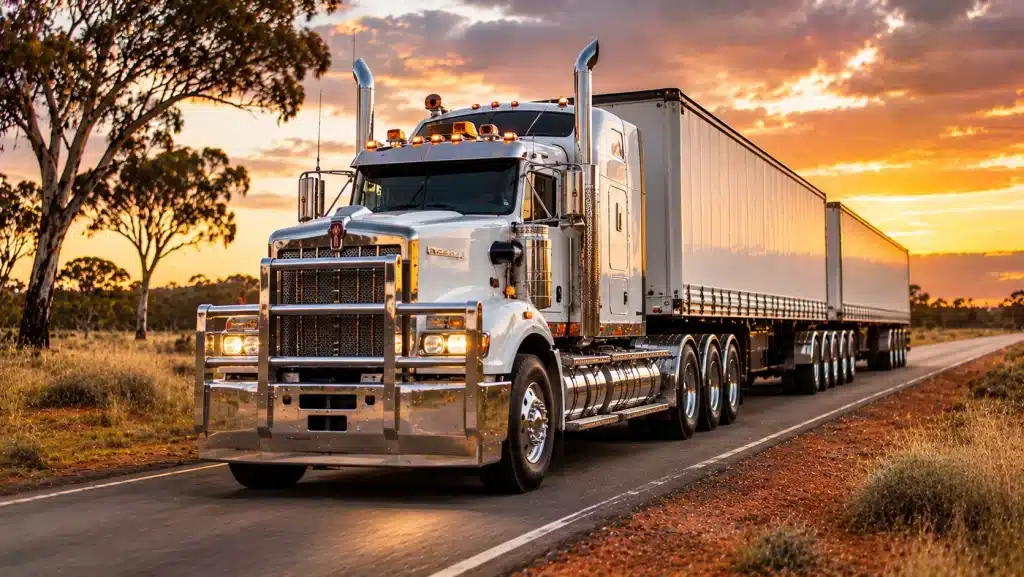
Safety Tips for Towing Heavy Trailers Hooking a massive trailer to your vehicle completely changes the laws of physics you experience behind the wheel. Suddenly, your vehicle weighs twice as much, takes…

Safety Tips for Towing Heavy Trailers
Hooking a massive trailer to your vehicle completely changes the laws of physics you experience behind the wheel. Suddenly, your vehicle weighs twice as much, takes three times as long to stop, and handles entirely differently. Towing heavy loads requires a completely different mindset and a strict adherence to safety protocols.
Whether you haul construction equipment to a job site or pull a large travel trailer across the country, safety must always remain your top priority. A single mistake during the hitching process or a miscalculation on the highway can lead to catastrophic accidents. You cannot afford to cut corners when dealing with thousands of pounds of rolling steel.
In this comprehensive guide, we will break down the absolute most important safety tips for towing heavy trailers. You will learn how to distribute weight correctly, master the hitching process, and operate trailer braking systems. We will also provide actionable driving strategies to help you navigate sharp turns and sudden stops with total confidence.
The Core Mechanics of Safe Towing
Before you even turn the key in the ignition, you must secure the physical connection between your truck and your trailer. Proper loading and secure hitching form the foundation of a safe trip. If you get these steps wrong, no amount of driving skill will save you on the road.
Mastering Proper Weight Distribution
Improper weight distribution causes more towing accidents than almost any other factor. If you load a trailer incorrectly, it becomes wildly unstable at highway speeds. You must follow the 60/40 rule for every single load you pull.
Place 60 percent of the total cargo weight securely in front of the trailer’s axles, pushing the weight toward the towing vehicle. Place the remaining 40 percent behind the axles. This specific distribution ensures you apply the correct amount of “tongue weight” to your truck’s hitch.
Tongue weight refers to the downward force the trailer exerts on the hitch ball. Ideally, this should sit between 10 and 15 percent of the total loaded trailer weight. If you place too much weight at the rear of the trailer, the tongue lifts upward. This pulls the rear wheels of your truck off the pavement, completely destroying your steering control and causing violent trailer sway.
Always secure your cargo tightly using heavy-duty ratchet straps or chains. If a heavy machine shifts backward while you drive up a steep hill, it instantly ruins your perfect weight distribution and creates a massive roadside hazard.
Essential Hitching Techniques
Connecting the trailer to your truck requires absolute precision. Never rush this process. Lower the trailer coupler onto the correct-sized hitch ball until it seats completely. Engage the locking latch and immediately insert a metal safety pin or padlock through the latch hole. This prevents the latch from popping open when you hit a massive pothole.
Next, address your safety chains. You must always cross the safety chains underneath the trailer tongue before hooking them to your truck. Crossing the chains creates a sturdy metal cradle. If the trailer miraculously disconnects from the ball, the tongue will drop into this cradle of chains rather than digging directly into the highway pavement.
Finally, connect your breakaway cable. This thin wire connects to a switch on the trailer and hooks directly to your truck’s frame. If the trailer separates from the vehicle, the cable pulls the switch and instantly engages the trailer’s emergency brakes, stopping it from rolling into oncoming traffic.
Understanding Heavy Trailer Braking Systems
You cannot rely purely on your truck’s brakes to stop an additional 10,000 pounds of weight. Heavy commercial and recreational trailers utilize their own independent braking systems to help bring the rig to a safe halt. You must understand how your specific system works to tow safely.
Surge Brakes vs. Electric Brakes
Boat trailers and heavy rental trailers frequently use surge brakes. These hydraulic systems operate purely on physical momentum. When you press the brake pedal in your truck, the truck slows down. The heavy trailer then pushes forcefully against the hitch. This physical pushing motion compresses a hydraulic cylinder inside the trailer tongue, which activates the trailer brakes. Surge brakes require zero electronic connections to operate.
Conversely, electric brakes use an electromagnet to actuate the brake shoes. When you press the brake pedal in your truck, an electronic signal travels through the 7-way wiring harness to the trailer. This activates the trailer brakes instantly. Electric brakes provide much smoother stopping power and give the driver significantly more control over the trailer.
Using Brake Controllers Effectively
If your trailer features electric brakes, your truck must have an electronic brake controller installed in the cabin. The controller dictates exactly how much power flows to the trailer brakes.
Before hitting the highway, you must adjust the “gain” on your brake controller based on the weight of your load. Find an empty parking lot, drive roughly 15 miles per hour, and slide the manual override lever on the controller. The trailer brakes should engage firmly and stop the vehicle without locking up the tires. If the trailer tires lock and skid, turn the gain down. If the trailer barely slows you down, turn the gain up.Test your trailer brakes manually every single time you start a new trip to ensure the wiring harness maintains a solid connection.
Actionable Driving Strategies for the Road
Driving a vehicle with a heavy trailer attached requires immense concentration. You must anticipate the actions of other drivers and give yourself massive safety margins. Adopt these driving strategies to keep your rig under control.
Speed Management and Following Distances
Speed acts as the ultimate enemy of a heavy trailer. Most trailer tires carry a strict speed rating of 65 miles per hour. Exceeding this speed generates massive heat inside the tire, eventually leading to a violent blowout. Towing a heavy load means you commit to driving slower than the flow of regular traffic. Stay in the right lane and take your time.
You must also drastically increase your following distance. A truck pulling a heavy trailer takes significantly longer to stop than a standard passenger car. If you usually leave three seconds of space between you and the car ahead, increase that to at least seven seconds. This massive buffer gives you the time and distance required to apply the brakes smoothly if traffic suddenly halts.
Handling Wide Turns and Blind Spots
Trailers do not follow the exact path of your towing vehicle. When you make a turn, the trailer will naturally cut the corner much tighter than your truck. If you turn like you normally do, the trailer tires will jump the curb, destroy road signs, or crush nearby pedestrians.
You must swing your truck wide before initiating a turn. Pull further out into the intersection before turning the steering wheel. Watch your side mirrors closely throughout the entire turning motion to ensure the trailer tires clear the obstacles on the inside corner.
Heavy trailers also create massive blind spots directly behind and beside your rig. Install heavy-duty tow mirrors that extend outward, giving you a clear view down the entire length of the trailer. Never change lanes without double-checking these extended mirrors and signaling your intentions well in advance.
Managing Trailer Sway
Trailer sway represents the most terrifying experience a driver can face while towing. High winds, passing semi-trucks, or sudden steering movements can cause the trailer to whip violently from side to side.
If your trailer begins to sway, never slam on your truck’s brakes. Slamming the truck brakes makes the sway infinitely worse and will likely cause you to jackknife. Instead, take your foot completely off the accelerator pedal to let the vehicle naturally lose speed. Keep the steering wheel pointed straight ahead.
Reach down to your electronic brake controller and squeeze the manual override lever gently. Applying the trailer brakes independently pulls the trailer taut against the truck, quickly pulling it back into a straight line and eliminating the sway.
Complete Your Pre-Trip Inspection
Professional truck drivers perform a comprehensive vehicle inspection before every single shift. You should adopt this exact same habit. A five-minute walk around your rig prevents hours of misery on the side of the highway.
Check the tire pressure on all truck and trailer tires. Underinflated tires overheat rapidly under heavy loads and will blow out without warning. Inspect the tire tread for uneven wear, which usually indicates a bent trailer axle.Test all exterior lighting. Ensure your running lights, turn signals, and brake lights function perfectly. Drivers behind you must know when you plan to stop or change lanes.
Finally, physically grab your safety chains, hitch latch, and electrical plug to ensure everything remains tight and secure before you pull out of the driveway.
Find the Right Towing Equipment on Anything Marketplace
Safe towing completely depends on the quality of your equipment. A rusted hitch or a poorly maintained trailer puts your life and your cargo at serious risk. Upgrading your hauling setup gives you massive peace of mind when you hit the open road.
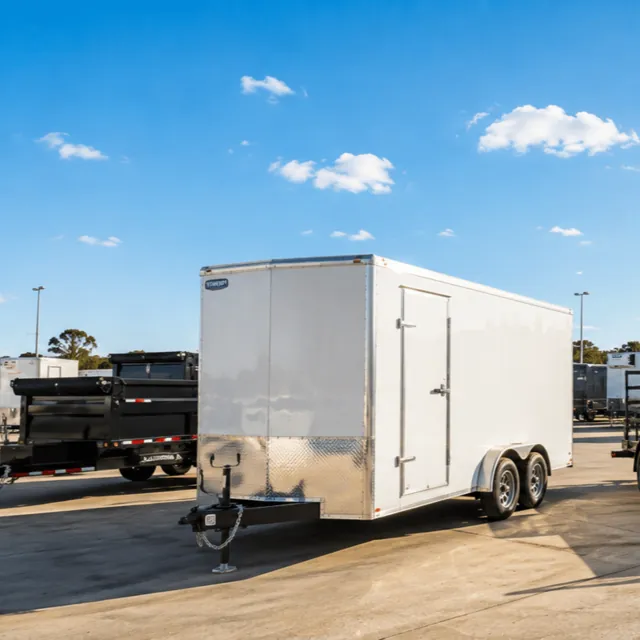
When you need to buy a heavy-duty trailer or upgrade your vehicle’s towing hardware, Anything Marketplace simplifies the entire process. We connect buyers directly with reputable sellers offering commercial-grade flatbeds, enclosed cargo trailers, and heavy equipment haulers.
You can easily browse our extensive listings to find the exact payload capacity and trailer style you need for your business or lifestyle. Use our advanced search filters to discover high-quality weight distribution hitches, brake controllers, and heavy-duty tow vehicles.
Visit Anything Marketplace today to secure the reliable towing equipment you need to transport your heaviest loads safely and confidently.
Shop Cars
Find what you need.
Buy or sell anything.
Explore thousands of listings across Australia including cars, trucks, trailers, machinery, farming equipment and more.