How to Maintain Your Farming Material Handlers
How to Maintain Your Farming Material Handlers Farming material handlers take a brutal beating every single day. Whether you use a telehandler to stack heavy bales of hay to the barn roof…
How to Maintain Your Farming Material Handlers
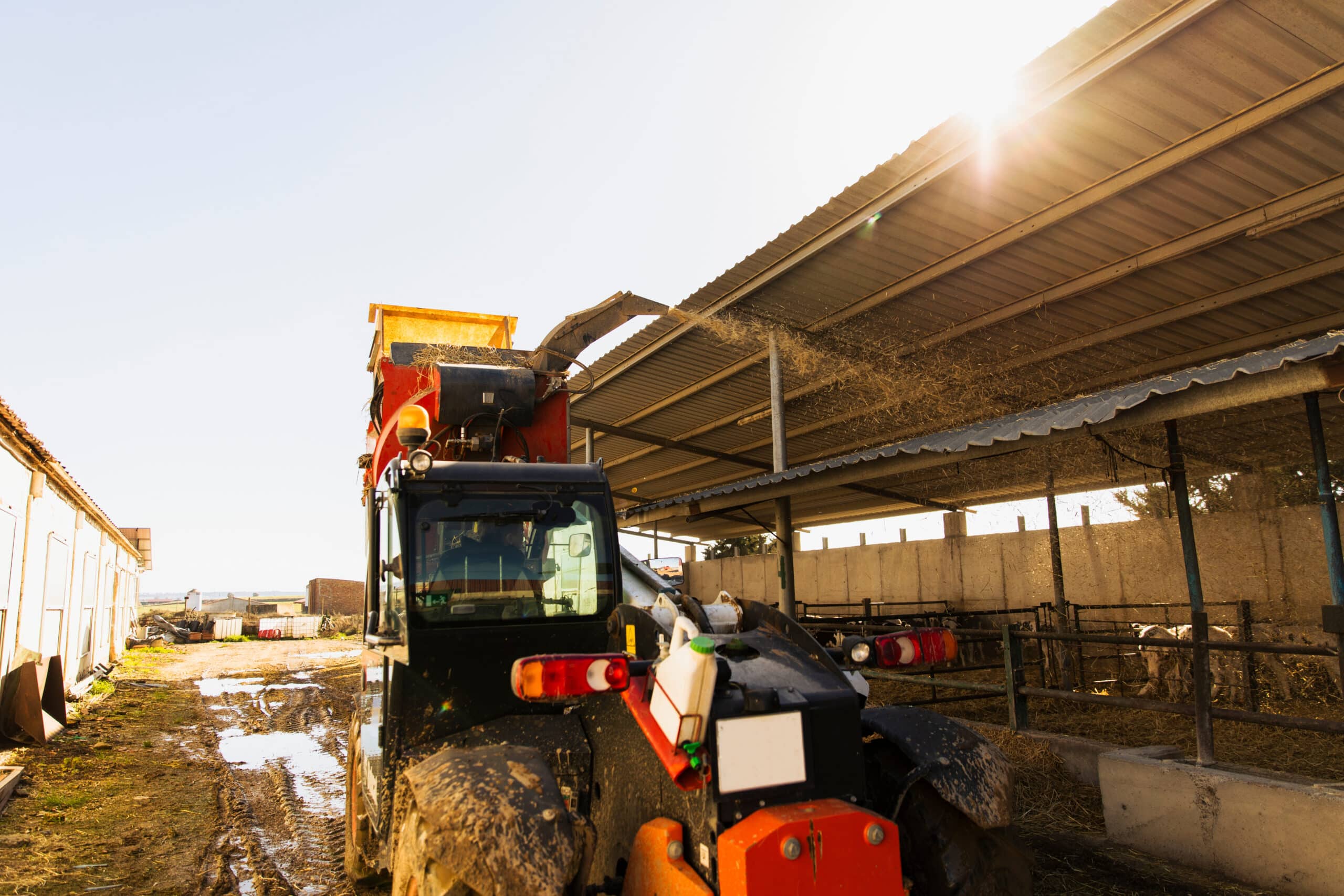
Farming material handlers take a brutal beating every single day. Whether you use a telehandler to stack heavy bales of hay to the barn roof or a wheel loader to scoop tons of wet manure, these machines serve as the undisputed heavy lifters of your agricultural operation.
They rarely get a day off, operating in environments filled with corrosive muck, thick dust, and extreme weather.When your material handler breaks down, your farm immediately suffers. You cannot feed your livestock efficiently, load your grain trucks, or clean your barns. A broken machine creates a massive bottleneck that costs you valuable time and money.
To keep your farm running smoothly, you must treat your equipment with immense care. In this post, we will explore the best practices for maintaining your farming material handling equipment. You will learn how to perform effective routine inspections, apply proper lubrication, and manage critical part replacements.
We will also walk through a real-world scenario, answer a common maintenance question, and show you where to find the best replacement parts and machines.
The Undeniable Value of Preventive Maintenance
Many equipment owners fall into a dangerous trap known as reactive maintenance. They simply run the machine until a part violently breaks, and then they scramble to fix it. This approach guarantees you will face catastrophic failures at the absolute worst possible times, like the middle of harvest season.
Preventive maintenance requires a completely different mindset. You actively service the machine before problems occur. By replacing a slightly worn belt or greasing a dry pivot point, you prevent massive internal engine damage or snapped boom arms.
Investing a few minutes into daily maintenance saves you thousands of dollars in emergency repair bills. It also protects the resale value of your equipment. When you eventually decide to upgrade your fleet, a well-documented maintenance history allows you to command top dollar for your used machinery.
Core Maintenance Practices for Daily Operations
Keeping a complex hydraulic machine alive requires a systematic approach. You cannot just guess what needs attention. You must build these three core maintenance practices into your daily and weekly farm routines.
Mastering Routine Visual Inspections
Every safe shift begins with a comprehensive walkaround inspection. Before you even turn the key in the ignition, you must walk around the entire machine and look for obvious signs of trouble.
Start by inspecting the tires. Material handlers lift massive amounts of weight high into the air. If a tire lacks proper air pressure or features deep sidewall cuts, the machine becomes wildly unstable and can easily tip over. Ensure all four tires maintain the exact pressure recommended by the manufacturer.
Next, look under the machine for fresh fluid puddles. A small drip of green coolant or amber hydraulic fluid acts as an early warning sign. Follow the leak up to its source to identify loose hose fittings or failing seals. Finally, inspect the massive steel boom and attachment points for hairline cracks. Lifting heavy loads creates massive stress on the metal, and catching a crack early prevents the boom from snapping under pressure.
The Lifeline of Proper Lubrication
Friction destroys heavy machinery. Your material handler features dozens of heavy steel pins moving against steel bushings. If you let these joints run dry, the metal grinds itself away, creating sloppy movements and eventually leading to complete structural failure.
You must establish a rigorous greasing schedule. Locate every single grease zerk on your machine. Pay special attention to the bucket pivot points, the boom extension sliders, and the steering cylinders.
Always wipe the grease zerk completely clean with a rag before attaching your grease gun. If you push a dirty zerk, you inject abrasive sand and dirt directly into the tight clearance of the bushing, which actually accelerates the wear process. Pump fresh grease into the joint until you see a tiny amount of clean grease squeeze out the sides of the bushing, pushing the old, contaminated grease out with it.
Timely Part Replacements and Filters
Filters act as the kidneys of your heavy machinery. They actively pull harmful dirt, metal shavings, and water out of your vital fluids and air intakes. If you ignore your filters, your machine will suffocate and suffer severe internal damage.
Farms generate massive amounts of dust and chaff. You must check your primary engine air filter constantly. Tap it gently against a tire to knock the loose dust out, but never blow it out with highly pressurized air, as this tears the delicate paper elements. Replace the air filter entirely according to your owner’s manual, or sooner if you operate in extremely dusty conditions.
You also need to stay ahead of your fuel filters and hydraulic filters. Modern diesel engines use highly pressurized fuel injection systems. Even a microscopic drop of water in your fuel can destroy an injector. Changing your fuel filters on time ensures your engine runs cleanly and delivers maximum pulling power.
Actionable Tips to Extend Machine Lifespan
Beyond the basic daily checks, you can adopt several specific habits to dramatically increase the operational lifespan of your material handlers.
Keep the Cooling System Clean
Material handlers work hard at low speeds, meaning they rely heavily on their cooling fans to push air through the radiators. In an agricultural setting, these radiators quickly suck in massive amounts of hay, feathers, and dry dirt.
A clogged radiator causes your engine and hydraulic oil to overheat rapidly. Heat destroys engine seals and breaks down the protective qualities of your oil. At the end of every single shift, take an air compressor and blow out the radiator fins from the inside out. Some modern machines feature a reversible cooling fan that automatically blows debris out, but you should still perform a manual visual check daily.
Monitor Hydraulic Fluid Closely
The hydraulic system acts as the muscles of your telehandler. Without clean, high-quality hydraulic fluid, the machine cannot lift a single pound.
Check the hydraulic fluid level every morning using the sight glass on the side of the tank. The boom must be completely retracted and lowered to the ground to get an accurate reading. Also, pay close attention to the color of the fluid. Healthy hydraulic oil looks clear and slightly golden. If the oil looks milky or cloudy, water has contaminated the system. You must drain and flush the entire system immediately before the water rusts your expensive hydraulic pumps from the inside out.
Real-World Scenario: The Cost of Neglect vs. Care
To understand the massive financial impact of preventive maintenance, imagine two neighboring dairy farmers, Mark and David. Both men buy the exact same brand-new telehandler on the same day to manage their daily feeding and mucking routines.
Mark views maintenance as a hassle. He skips his daily walkarounds, ignores his greasing schedule, and only changes his engine oil when he suddenly remembers it a year later. During his second winter, the massive pivot pins connecting the boom to the chassis completely seize up from a lack of grease. The friction eventually snaps a main hydraulic cylinder. Mark’s machine sits broken in the barn for three weeks while he waits for expensive replacement parts, forcing him to rent a backup machine at a massive daily cost.
David treats his telehandler like his most prized employee. He spends five minutes every morning blowing out the radiator, checking the fluid levels, and greasing the bucket pins. He keeps a detailed logbook in the cab, ensuring he changes his hydraulic filters exactly every 500 hours. Five years later, David’s telehandler still runs like it just rolled off the showroom floor. He experiences zero major breakdowns and easily trades the machine in for a massive return when he decides to upgrade.
David’s five minutes of daily effort saved him thousands of dollars and completely eliminated the stress of emergency breakdowns.
Frequently Asked Question About Equipment Maintenance
Question: How often should I really grease the boom pins and steering joints on my farming material handler?
Answer: You should grease the primary pivot points every single day, or roughly every 10 operating hours. While your owner’s manual might suggest a 50-hour interval for certain joints, farm environments are uniquely destructive. When you drive through deep mud, acidic livestock manure, and corrosive chemical fertilizers, those elements aggressively attack the metal joints of your machine. Pumping fresh grease into the pins every morning acts as a physical barrier.
It pushes the corrosive muck out of the joints and ensures the metal surfaces glide smoothly under massive heavy loads.
Conclusion: Protect Your Agricultural Investment
Farming material handlers represent a massive capital investment for your agricultural business. These machines give you the mechanical leverage needed to move mountains of feed, grain, and fertilizer every single day. However, they rely entirely on you to keep them healthy.
By committing to strict daily inspections, religious lubrication schedules, and timely filter replacements, you effectively bulletproof your equipment. Preventive maintenance guarantees that your machines will start right up on the coldest winter mornings and perform flawlessly during the longest harvest days. Protect your investment, and your equipment will reward you with years of relentless, profitable service.
Find Handlers and Parts on Anything Marketplace
Whether you need to upgrade your current heavy equipment or source high-quality components to maintain your existing fleet, you need a platform you can trust.Anything Marketplace connects busy farmers directly with reputable agricultural equipment dealers and private sellers across the country. You can easily browse our extensive listings to find reliable, heavy-duty material handlers perfectly suited for your daily operations.
Additionally, our platform helps you track down specific replacement parts, filters, and attachments to keep your current machines running at peak performance. Visit Anything Marketplace today to secure the agricultural equipment and essential maintenance parts your farm needs to thrive.
Shop Trucks
Find what you need.
Buy or sell anything.
Explore thousands of listings across Australia including cars, trucks, trailers, machinery, farming equipment and more.