How to Prepare Earthmoving Equipment for the Wet Season
A practical pre-wet-season routine for excavators, loaders and skid steers, covering fluids, undercarriage, electrics and where to park.
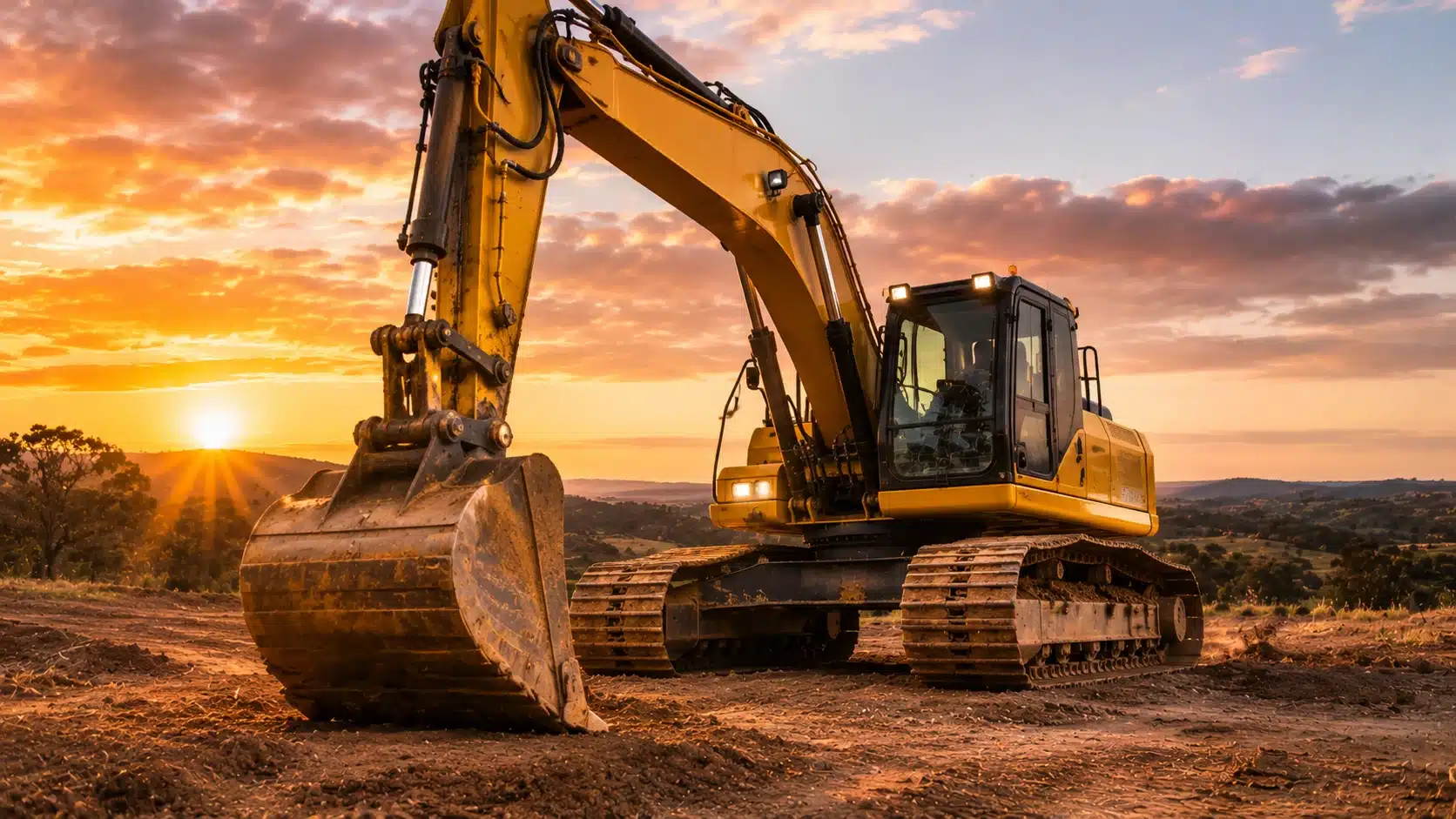
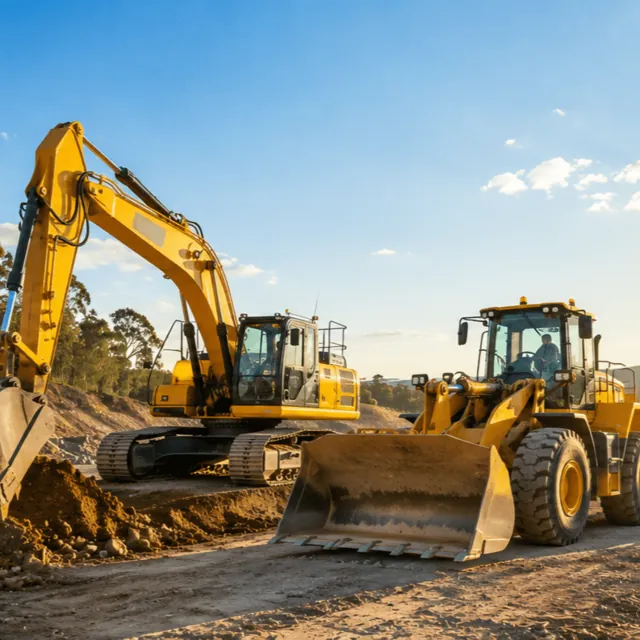
When the rain sets in, an excavator or loader that was merely a bit tired in the dry can turn into a costly breakdown. Sound earthmoving equipment maintenance before the wet season is far cheaper than a machine sitting idle on a flooded site, and it protects the value of the asset if you plan to sell later.
This guide walks owners and operators through a practical pre-wet-season routine. It is general guidance only, so always follow your manufacturer’s service manual and your own site safety procedures.
Why the wet season is hard on machines
Water, mud and humidity attack a machine in ways dry-weather work does not. Moisture gets into electrical connectors, fuel tanks collect condensation, and wet clay packs into undercarriages and radiators. Traction drops, which means more track slip, more hydraulic load and more wear.
The good news is that most wet-weather failures are predictable. A methodical inspection catches them while the ground is still dry and parts are easy to source.
Earthmoving equipment maintenance starts with fluids and filters
Fresh, clean fluids are the foundation of any good routine. Check the service hours against the manufacturer’s schedule and do not push an overdue service into the rain.
- Engine oil and filter: change if due, and look for milky oil, which can point to coolant or moisture contamination.
- Hydraulic oil and filters: water in hydraulic oil damages pumps and valves. Take a sample if you are unsure of its condition.
- Fuel filters and water separators: drain the separator and replace filters. Condensation in a part-empty tank is a common cause of rough running.
- Coolant: confirm the mixture and level, and inspect hoses for softness or cracking.
- Grease points: grease every nipple thoroughly so fresh grease pushes water and grit out of pins and bushes.
Check the undercarriage and tyres
Wet, sticky ground accelerates wear on anything that touches it. On tracked machines, measure track tension against the manual, because tracks run too tight wear quickly and tracks run too loose can derail in soft going. Look at rollers, idlers and sprockets for leaks, flat spots and uneven wear.
On wheeled loaders and backhoes, check tread depth, sidewall damage and tyre pressures. If you work on slippery ground regularly, ask your tyre supplier whether your tread pattern suits the conditions. Check wheel nuts and chains or guards if fitted.
Cabin and glass
Visibility is a safety issue in heavy rain. Replace worn wiper blades, test the washers, check the demister and make sure all mirrors, lights and reverse cameras are clean and working.
Protect the electrical system
Electrical faults are one of the most frustrating wet-season problems because they come and go. Inspect the battery terminals for corrosion and clean them, check that battery hold-downs are tight, and test the charging system.
Look over wiring looms for rubbed insulation or loose plugs, particularly around the boom, arm and swing area where cables flex. Make sure connector seals are intact and consider a suitable dielectric grease where the manufacturer allows it. Check that all work lights, beacons and horns operate.
Inspect hoses, seals and cylinders
Hydraulic hoses that were borderline in summer can burst under wet-weather loads. Check for abrasion, bulges, weeping fittings and hose clamps that have shifted. Cylinder rods should be clean and free of pitting, as rust or scoring chews through seals.
Replace anything that looks doubtful. A hose failure on site is a safety risk as well as a clean-up cost, and pressurised hydraulic fluid can cause serious injury.
Prepare the site and the parking spot
Maintenance is only half of it. Where the machine sits matters just as much.
- Park on firm, well-drained ground, not in a low spot that floods.
- Where practical, park with the bucket or attachment lowered and the fuel tank topped up to limit condensation.
- Clean mud off the machine before parking. Dried clay hides leaks and cracks and adds weight to undercarriages.
- Check that your site drainage, access tracks and any hardstand areas are in good order before heavy rain arrives.
- Keep spill kits, tarps and recovery equipment where operators can find them quickly.
Quick checklist before the first rain
- Service completed and logbook updated
- Fuel water separator drained and filters replaced
- Hydraulic hoses, fittings and cylinders inspected
- Track tension or tyre condition confirmed
- Battery, terminals and wiring checked
- Wipers, lights, mirrors and cameras working
- Grease points done and machine washed
- Parking area and site drainage sorted
Keep good records
Consistent earthmoving equipment maintenance is only as useful as the records behind it. A tidy service history helps in two ways. It lets you spot recurring faults early, and it supports the machine’s value when you come to sell. Buyers of used earthmoving gear consistently look for evidence of regular servicing, so keep invoices, hour readings and any repair notes together.
Know when it is time to upgrade
If a machine has become unreliable, or the repair bills keep climbing, it may be more economical to replace it before the wet season hits. You can browse excavators, loaders and skid steers from private sellers and dealers, and compare condition, hours and price in one place. If you are weighing up a purchase, you can also explore finance options and speak to your accountant about what suits your business.
Frequently asked questions
How often should earthmoving equipment be serviced?
Follow the interval in the manufacturer’s service manual, which is usually based on operating hours. Harsh, wet or dusty conditions may justify checking filters and fluids more often than the minimum schedule.
Can I work an excavator in heavy rain?
Often you can, provided the ground is stable and your site safety plan allows it. Soft or saturated ground can make a machine unstable and bog it, so assess conditions and follow your site supervisor’s instructions.
What is the most common wet-season problem?
Water contamination of fuel and electrical faults from moisture are two frequent culprits. Draining fuel separators and checking connectors before the season starts reduces both risks.
Get ahead of the weather
A few hours of preparation now can save days of downtime later. If your current fleet is not up to another wet season, start your search on our machinery listings and find a machine that suits your work.
Find what you need.
Buy or sell anything.
Explore thousands of listings across Australia including cars, trucks, trailers, machinery, farming equipment and more.