The Future of Smart Construction Machinery Explained
The Future of Smart Construction Machinery Explained The traditional construction site is undergoing a massive digital transformation. For decades, the industry relied entirely on raw mechanical power and human intuition to move…
The Future of Smart Construction Machinery Explained
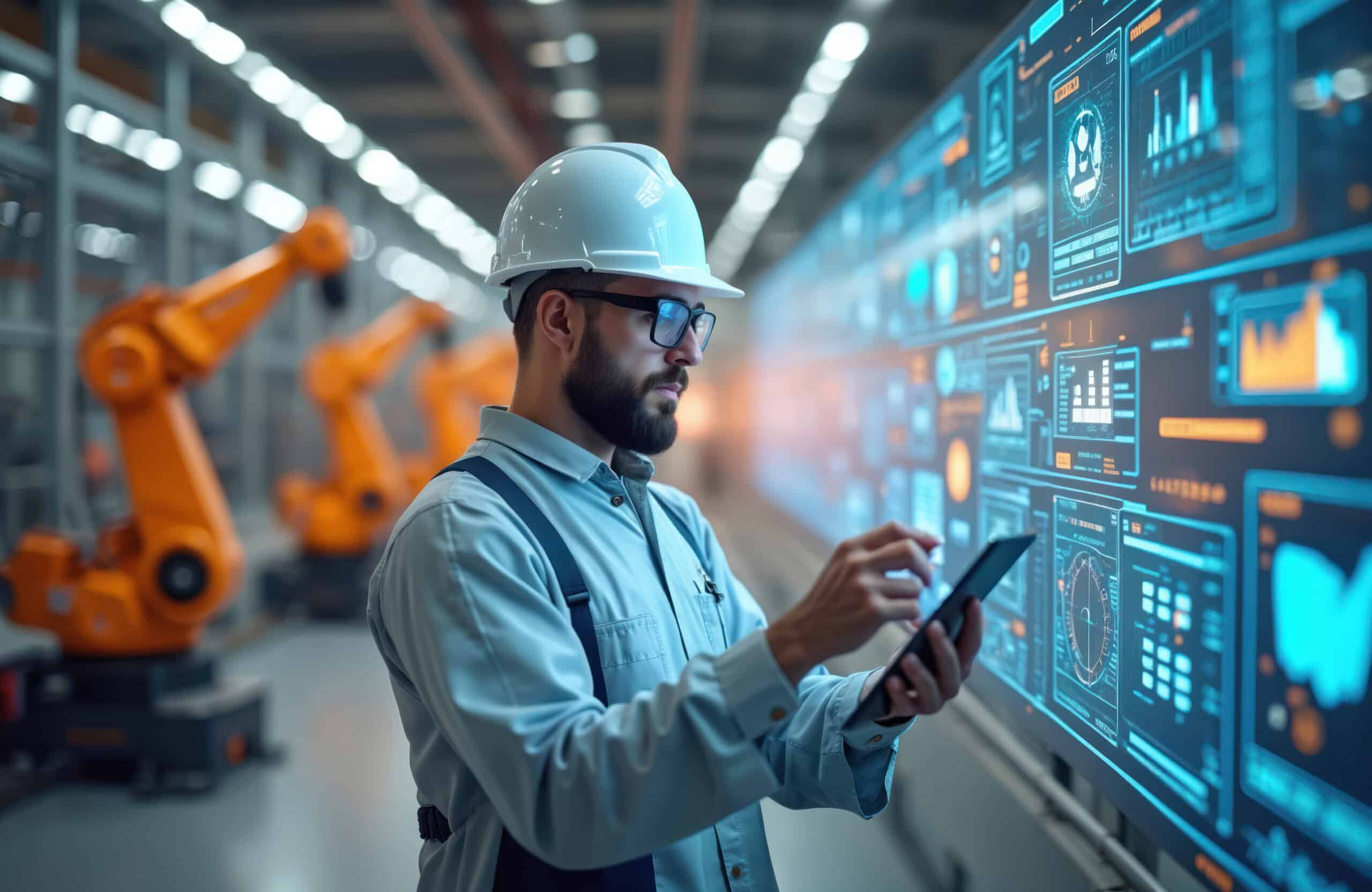
The traditional construction site is undergoing a massive digital transformation. For decades, the industry relied entirely on raw mechanical power and human intuition to move earth and build structures. Now, a new generation of heavy equipment is taking over. The roar of diesel engines remains, but an invisible network of data, sensors, and algorithms now guides every single movement.
Smart construction machinery represents the most significant leap forward in building technology since the invention of hydraulics. By integrating advanced software directly into the heavy metal of excavators, dozers, and cranes, equipment manufacturers have completely changed how contractors approach complex projects.
In this guide, we will explore exactly how artificial intelligence, the Internet of Things, and automation are reshaping modern construction machinery. We will dive into the core benefits of upgrading your fleet, including massive efficiency gains, critical safety improvements, and undeniable cost savings. We will also look at a real-world scenario, answer a frequently asked question about adoption, and show you how to find these advanced tools for your own business.
How Technology is Reshaping the Job Site
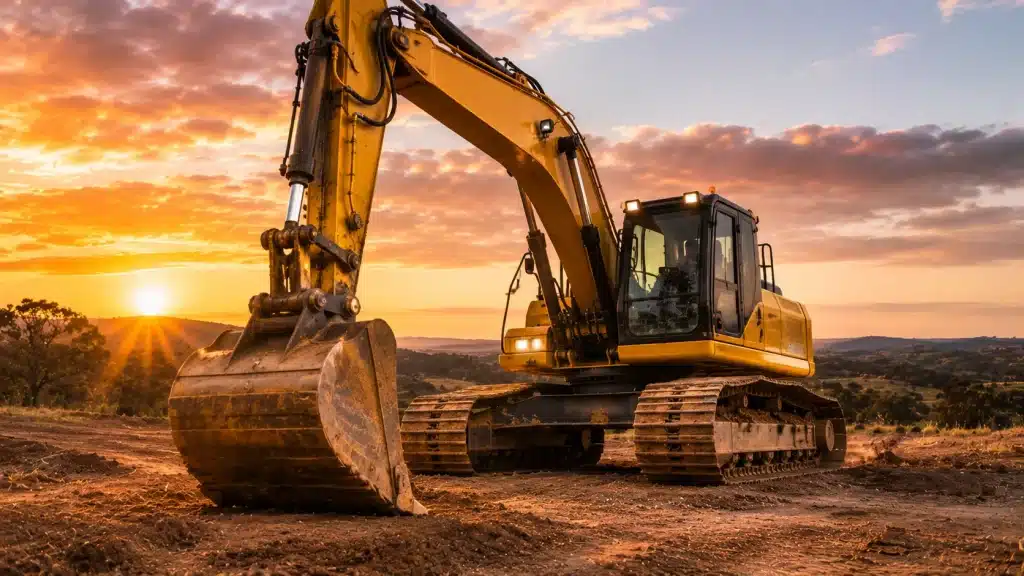
You can no longer view a bulldozer or an articulated dump truck as just a piece of mechanical hardware. Modern equipment functions as a highly advanced, rolling computer. Three specific technological pillars drive this evolution: the Internet of Things (IoT), Artificial Intelligence (AI), and advanced automation.
The Internet of Things (IoT) Connects Everything
The Internet of Things refers to a network of physical objects embedded with sensors, software, and connectivity technologies. On a modern job site, IoT allows every piece of heavy machinery to communicate constantly. Sensors attached to the engine, hydraulic lines, and transmission gather thousands of data points every single second.
This connectivity completely revolutionizes equipment maintenance. Instead of waiting for a machine to break down or relying on a rigid calendar schedule, fleet managers use predictive maintenance. The machine actively monitors its own health. If a hydraulic pump starts running five degrees hotter than normal, the IoT system sends an instant alert to the mechanic’s smartphone. You can replace a failing fifty-dollar seal on a Tuesday evening rather than dealing with a catastrophic, ten-thousand-dollar engine failure on a busy Thursday morning.
IoT also enables geofencing. Managers can draw a digital boundary around the job site on their tablets. If a piece of equipment moves outside that boundary, the system immediately shuts down the engine and alerts the authorities, practically eliminating equipment theft.
Artificial Intelligence (AI) Drives Precision
Human operators, no matter how highly skilled, suffer from fatigue. After eight hours of digging trenches, accuracy naturally drops. Artificial Intelligence steps in to provide relentless, pinpoint precision from the first hour of the shift to the last.
Manufacturers now equip excavators and wheel loaders with AI-driven computer vision and smart payload systems. When an operator scoops a bucket of dirt, the AI instantly calculates the exact weight of the material. It prevents the operator from underloading or overloading the massive dump trucks waiting nearby. This perfectly optimizes the hauling cycle and prevents extreme wear and tear on the truck’s suspension.
AI also powers intelligent machine control. You upload a 3D digital blueprint of your project directly into the dozer’s computer. As the operator drives forward, the AI automatically raises, lowers, and tilts the blade to match the exact required grade. The human operator simply steers the machine while the computer handles the microscopic blade adjustments.
Automation Handles the Heavy Lifting
The construction industry faces a severe, ongoing shortage of skilled labor. Finding experienced heavy equipment operators gets harder every single year. Automation directly solves this critical bottleneck.
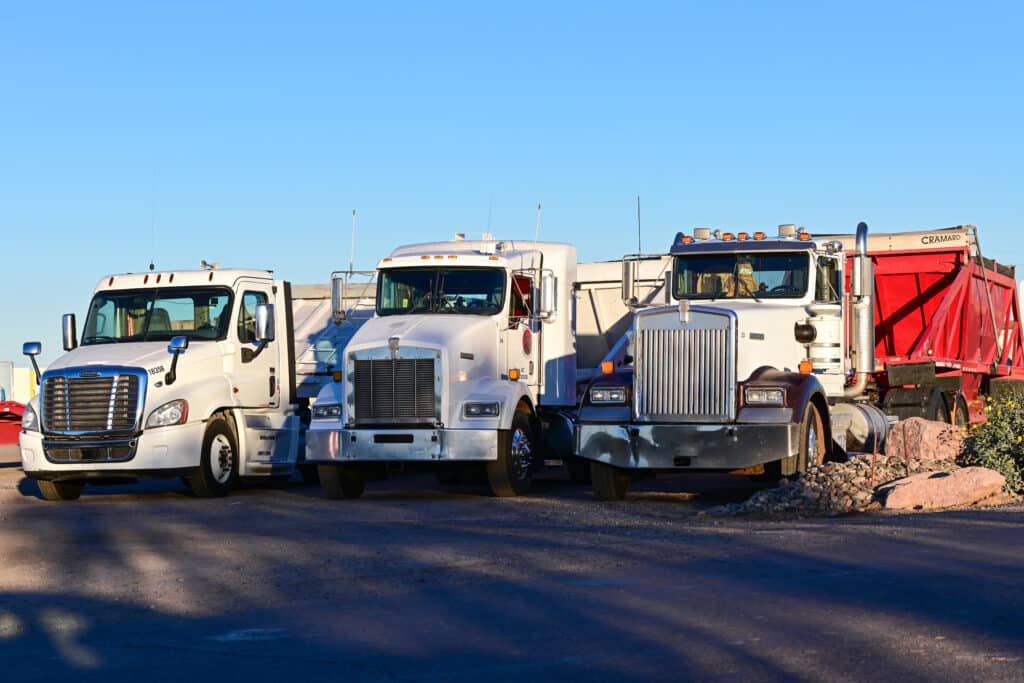
We now see fully autonomous and semi-autonomous machinery operating on active job sites. Automated dump trucks can navigate a complex hauling route from the excavation pit to the dumping zone completely on their own, guided by highly precise GPS and LiDAR sensors.
Automation does not replace your workforce; it multiplies their capabilities. A single experienced operator can now sit in a comfortable, climate-controlled office miles away from the site. Using a bank of monitors and remote controls, they can supervise a fleet of four autonomous dozers working simultaneously. This keeps the project moving forward at incredible speed, regardless of local labor shortages.
The Core Benefits of Upgrading to Smart Equipment
Transitioning your fleet from traditional machines to smart equipment requires a capital investment. However, the return on that investment materializes very quickly. Smart machinery fundamentally improves how your business operates across three major categories.
Unmatched Operational Efficiency
Smart machinery eliminates the concept of rework. In traditional construction, operators frequently over-dig a trench or miscalculate a slope. You then have to pay a crew to bring dirt back in and fix the mistake.
Because smart machines use GPS and AI to follow a digital blueprint perfectly, you get the grade right on the very first pass. This shaves weeks off massive earthmoving projects. Furthermore, IoT telematics reveal exactly how your machines spend their time. If a manager sees that an expensive excavator sits idling for three hours a day, they can adjust the workflow to keep that machine actively digging and generating revenue.
Dramatically Improved Job Site Safety
Construction remains an inherently dangerous profession. Heavy machinery blind spots and moving massive loads create constant hazards. Smart equipment actively protects your human workers from harm.
Modern machines feature 360-degree camera systems paired with AI object detection. If a ground worker walks into the blind spot of a reversing wheel loader, the computer instantly recognizes the human shape. It triggers an alarm in the cab and automatically applies the brakes before a collision occurs. By utilizing remote-controlled automation, you can also send machines into highly dangerous environments, like steep unstable slopes or toxic demolition sites, while keeping your operators completely out of harm’s way.
Significant Long-Term Cost Savings
When you combine predictive maintenance, optimized payload cycles, and the elimination of rework, your operational costs plummet. Smart machines burn significantly less fuel because the engine and hydraulics operate at peak digital efficiency.
Insurance companies also recognize the value of this technology. Many providers offer substantial premium discounts to contractors who utilize anti-theft geofencing, AI collision avoidance, and automated safety braking. Over the lifespan of a heavy machine, these combined savings easily offset the higher initial purchase price.
Real-World Scenario: Smart Machinery in Action
To truly understand the impact of this technology, let us look at a practical scenario.Imagine a civil engineering firm tasked with grading a massive, 500-acre site for a new commercial distribution center. They face a tight six-month deadline before the winter freeze halts construction entirely.
Using traditional methods, the firm would need a small army of surveyors manually pounding wooden grade stakes into the dirt every few feet. Operators would constantly have to stop their dozers, climb out, check the stakes, and climb back in. Mistakes would happen, requiring constant rework and wasted diesel fuel.
Instead, the firm deploys a fleet of three smart dozers equipped with 3D intelligent machine control and IoT telematics. The project manager uploads the digital site plan directly to the machines. The operators simply drive. The AI automatically angles the heavy steel blades to match the exact slope required by the blueprint. There are no wooden stakes, no stops, and no second-guessing.
During the third week, the IoT system on Dozer A detects a slight pressure drop in a specific hydraulic line. It alerts the maintenance team instantly. A mechanic arrives during the operator’s lunch break, tightens a loose fitting, and prevents a massive fluid blowout.
By leveraging automation and data, the firm finishes the grading phase in just four months. They save thousands of gallons of fuel, eliminate the need for a massive surveying crew, and secure an early completion bonus from the developer.
Frequently Asked Question About Adopting Smart Machinery
Question: Is the high upfront cost of smart machinery actually worth it for a mid-sized contractor, or is this technology only for massive corporations?
Answer: Yes, it is absolutely worth the investment for mid-sized contractors. While massive corporations adopted this technology first, the hardware has become highly accessible. You do not need to replace your entire fleet overnight to see the benefits.
Mid-sized contractors often see the fastest return on investment because smart machinery allows them to bid on larger, more complex jobs without having to hire dozens of new employees. By purchasing just one intelligent excavator or dozer, you drastically speed up your cycle times and lower your fuel costs. The money you save on rework and predictive maintenance quickly pays for the machine itself. Furthermore, buying smart equipment future-proofs your business, ensuring you meet the strict efficiency and environmental standards that developers increasingly demand.
Conclusion: Embracing the Future of Construction
The integration of artificial intelligence, connected sensors, and automated robotics has permanently altered the construction landscape. We are moving away from an industry defined purely by brute force and entering an era defined by microscopic precision and data-driven decisions.
Smart construction machinery guarantees that projects finish faster, human workers stay safer, and operating budgets remain tightly controlled. Those who adopt this technology will secure the most lucrative contracts and leave their competition struggling to catch up. Adapting to this new reality is no longer an optional luxury; it is a fundamental requirement for long-term business survival.
Find Smart Construction Equipment on Anything Marketplace
Upgrading your fleet gives you a massive operational advantage on every single job site. When you feel ready to embrace the power of AI and automation, Anything Marketplace makes the process completely seamless.
We connect forward-thinking contractors directly with reputable commercial dealers and private sellers offering the latest heavy equipment. You can easily browse our extensive listings to find intelligent dozers, autonomous loaders, and IoT-enabled excavators. Use our detailed search filters to compare specific technological features, operating weights, and price points. Visit Anything Marketplace today to secure the smart construction machinery your business needs to build the future.
Shop Cars
Find what you need.
Buy or sell anything.
Explore thousands of listings across Australia including cars, trucks, trailers, machinery, farming equipment and more.