Explore thousands of listings across Australia in cars,
trucks, machinery, trailers, farming & more.
✓Thousands of verified listings
Australia wide coverage
Support when you need it
Top Mistakes to Avoid When Applying for Truck Loans
Securing financing for a commercial truck is a significant step for many businesses. Whether you’re adding to your fleet, upgrading existing vehicles, or getting started as an owner-operator, truck loans can be a powerful tool to keep your business running smoothly. However, the loan application process can be complex, and making mistakes along the way can delay approvals, increase your costs, or even result in a denial.
To help you avoid these issues, we’ve compiled a list of the top mistakes people make when applying for truck loans-and how to steer clear of them. By understanding these pitfalls, you can position yourself for faster approvals and better financing terms.
Why Avoiding Mistakes in Truck Loan Applications Matters
Applying for a commercial truck loan is more than just submitting forms. It involves presenting yourself as a trustworthy borrower and ensuring that your application aligns with lenders’ requirements. A single oversight can derail the process, costing you time and money. Worse yet, missing out on financing altogether could leave your business struggling to meet its transportation needs.
Taking a proactive approach to avoid common mistakes will not only save you headaches but also improve your chances of getting the best loan terms available.
Here’s how you can avoid some of the most common pitfalls when applying for a truck loan.
Neglecting to Prepare Your Financial Documents
One of the biggest mistakes borrowers make is failing to have their financial documents ready before applying. Lenders require these documents to assess your financial health and determine your ability to repay the loan. A lack of preparation can slow down the approval process or lead to outright rejection.
How to Avoid This Mistake
Take the time to gather all the paperwork you’ll need before submitting your application. Commonly requested documents include:
Profit and Loss Statements: These show your business’s revenue and expenses.
Tax Returns: A record of your income from the last two to three years.
Bank Statements: Evidence of consistent cash flow and available funds.
Debt Information: Details of outstanding debts, particularly for any other equipment financing or loans.
Submit complete and accurate information to minimize approval delays.
Ignoring Your Credit Score
Your credit score is one of the most important factors lenders consider when reviewing your loan application. Some borrowers assume their credit score won’t matter-or worse, they don’t even check their score before applying. This can result in unrealistic expectations or even loan denials.
How to Avoid This Mistake
Before applying, check your personal and business credit scores. If your score is lower than desired, take steps to improve it. Strategies include paying off outstanding debts, avoiding missed payments, and correcting any inaccuracies on your credit report.
For those with impaired credit, some lenders specialize in catering to borrowers with lower scores. By targeting the right lender, you can still secure financing despite a challenging credit history.
Choosing the Wrong Lender
Not all lenders are created equal, particularly when it comes to commercial truck financing. Borrowers often choose the first lender they come across or stick with their usual bank, only to find that the terms or approval process don’t meet their specific needs.
How to Avoid This Mistake
Research lenders who specialize in truck financing. These lenders often have a better understanding of the industry and offer tailored solutions. Here’s what to look for in a lender:
Experience: Lenders with expertise in truck loans can offer valuable guidance.
Approval Speed: Some lenders prioritize efficiency, offering quick approvals when you’re in a time crunch.
Flexibility: Look for lenders that cater to businesses with unique needs, including those with nontraditional income or lower credit scores.
Avoid settling for the first option. Compare rates, eligibility requirements, and loan terms on offer before making a decision.
Underestimating Loan Requirements
Another common pitfall is failing to understand lenders’ requirements. Borrowers may assume they’re eligible without knowing the exact criteria, such as minimum revenue, down payment, or truck specifications. This can lead to wasted time and effort on applications that aren’t feasible.
How to Avoid This Mistake
Before applying for a truck loan, familiarize yourself with the lender’s specific requirements. Common criteria include:
Business History: Many lenders require at least 2 years in operation.
Down Payment: Prepare to provide 10-20% of the truck’s value upfront.
Truck Type: Some lenders won’t finance older vehicles or those with high mileage.
Focus on meeting these qualifications to improve your chances of approval.
Failing to Compare Loan Options
One of the biggest-and most expensive-mistakes is jumping on the first loan offer without comparing alternatives. Differences in interest rates, fees, and repayment terms can add up substantially over time.
How to Avoid This Mistake
Take the time to shop around. Gather quotes from multiple lenders and compare the total cost of each loan, including interest rates, fees, and terms. Pay close attention to factors such as prepayment penalties and flexibility in repayment schedules.
Even if you need quick approval, spending a little extra time evaluating options can save your business thousands in the long run.
Overlooking Specialized Loan Options
Some borrowers miss out on loan options designed for certain profiles or needs. Lenders often offer no-document or minimal-document loans, which could benefit eligible borrowers, but many applicants are unaware of these options.
How to Avoid This Mistake
If you meet certain criteria, such as being in business for at least two years or having a sizable deposit (10-20%), you may qualify for specialized loans. Some lenders even offer up to $500,000 in financing without requiring extensive paperwork or rely solely on bank statements.
Ask lenders directly whether they offer no-document or minimal-document loans-and whether you qualify based on your situation.
Not Planning for Loan Costs
Borrowers sometimes focus on monthly payments without considering the full cost of the loan, including interest rates, fees, and penalties. This can lead to future financial strain.
How to Avoid This Mistake
Calculate the total cost of the loan across the repayment period. Use online calculators or consult with your lender to estimate the full amount you’ll pay. Planning for these costs upfront will help you avoid surprises and stay within budget.
Final Thoughts
Applying for a truck loan doesn’t have to be overwhelming, but it does require preparation and awareness. By avoiding common mistakes-like neglecting your financial documents, overlooking your credit score, or choosing the wrong lender-you can streamline the process and secure financing on favorable terms.
At FastFunding4U , we specialize in delivering customized truck financing solutions for businesses of all sizes. Whether you’re a seasoned operator or just starting out, we offer tools and expertise to help you succeed. Explore our flexible options today and get the financing you need to keep your business on the road!
Best Caravans for Off-Road Adventures in Australia
Australia features some of the most unforgiving and spectacular terrain in the world. Deep red dust, harsh corrugations and rocky tracks define much of the Outback.
Standard touring caravans are not always built for these conditions. Long stretches of rough terrain can place significant stress on the suspension, chassis and interior fittings. Therefore, serious off-road travel requires a caravan designed specifically for demanding tracks.
The right off-road caravan gives you more freedom to explore remote parts of Australia. It also provides a comfortable place to rest after a long day on challenging tracks.
In this guide, we explore some of the best caravans for off-road adventures in Australia. You will learn which features matter most when choosing a capable caravan. We will also look at five popular models, a real-world Outback scenario and a common buyer question.
What Makes a Caravan Truly Off-Road Ready?
Not every caravan with aggressive tyres is ready for serious off-road travel. Some manufacturers describe their models as semi-off-road, even when their capability is limited.
True off-road capability starts with the chassis and suspension. It also includes the coupling, ground clearance, water capacity and off-grid power system.
Before travelling into remote areas, look for these important engineering features.
Heavy-Duty Independent Suspension
The suspension system is one of the most important parts of an off-road caravan. Standard suspension can transfer harsh impacts directly into the caravan frame and interior.
True off-road caravans often use heavy-duty independent trailing arm suspension. These systems are designed to handle rough surfaces while keeping the caravan more stable.
Independent suspension allows each wheel to respond to uneven terrain. For example, when one wheel drops into a deep rut, the other wheel can continue to react independently.
Many premium models also offer adjustable air suspension. As a result, the caravan can be raised when extra ground clearance is needed. It can also be lowered to help with levelling at a campsite.
Rugged Chassis and DO35 Couplings
The chassis provides the foundation for the entire caravan. Off-road models therefore need a strong chassis that can handle repeated impacts and twisting forces.
Many Australian off-road caravans use heavy-duty steel frames. Some manufacturers also use galvanised chassis construction to improve resistance to corrosion.
The coupling between the tow vehicle and caravan is equally important. A standard 50mm tow ball has limited articulation on steep and uneven tracks.
For this reason, many off-road caravans use articulating hitches such as the Cruisemaster DO35 coupling. These couplings allow greater movement between the caravan and tow vehicle.
This additional articulation can help both vehicles remain more stable when travelling through steep washouts and uneven terrain.
Extreme Off-Grid Capacities
Remote Outback travel can mean spending days or weeks away from powered campsites. Therefore, an off-road caravan needs reliable off-grid systems.
Modern caravans can include large lithium battery banks and roof-mounted solar panels. These systems can provide power for refrigeration, cooking and other essential equipment.
Water capacity is also important. Large fresh-water tanks can provide greater independence when travelling far from towns and established campsites.
However, the exact capacity you need depends on your travel plans. Longer trips into remote areas generally require greater water and power reserves.
Top Australian Off-Road Caravans in 2026
Australia has a strong market for off-road caravans. Local manufacturers build models specifically for the country’s challenging terrain.
Below are five models that stand out for their off-road design, structural strength and off-grid capabilities.
1. Bruder EXP-6: The Engineering Marvel
Bruder takes a different approach to off-road caravan design. The EXP-6 is built as an advanced exploration vehicle rather than a modified traditional caravan.
One of its key features is its air suspension system. The system provides significant wheel travel and allows the ride height to be adjusted.
The EXP-6 also uses composite construction instead of traditional timber construction. This approach helps reduce the risk of timber-related problems such as rot.
Furthermore, the composite body provides strong insulation. This can be particularly useful when travelling through Australia’s hot and remote regions.
2. Lotus Caravans Trooper: Rugged Luxury
Lotus Caravans designed the Trooper for demanding Australian tracks. Its exterior combines a rugged appearance with equipment intended for off-road travel.
The Trooper uses Cruisemaster ATX independent suspension. This system is designed to handle the repeated impacts caused by rough tracks and corrugations.
At the same time, the interior focuses on comfort. Depending on the configuration, buyers can find premium finishes, a large kitchen and modern appliances.
The caravan can also be equipped with substantial solar and battery systems. Therefore, it can provide greater independence during remote camping trips.
3. Kedron TopEnder: The Legendary Workhorse
Kedron caravans have a strong reputation among Australian travellers. The TopEnder is designed with durability and long-distance travel in mind.
The model uses a heavy-duty galvanised chassis and a strong internal structure. These features help the caravan handle demanding road conditions.
Its construction also focuses on reducing movement through the caravan body. This can help protect internal fittings when travelling across rough terrain.
As a result, the TopEnder can be a practical choice for travellers who regularly leave sealed roads behind.
4. Zone RV Off-Road: Lightweight Innovation
Weight is an important consideration when choosing an off-road caravan. A heavier caravan can affect fuel consumption and may require a more capable tow vehicle.
Zone RV uses composite construction to reduce weight while maintaining structural strength. The company also focuses on modern materials and construction techniques.
A lighter caravan can provide greater flexibility when choosing a tow vehicle. However, buyers should always check the caravan’s actual tare weight and the tow vehicle’s legal towing capacity.
Zone RV models can also include large water tanks, lithium power systems and independent suspension. Therefore, they can combine lower weight with useful off-grid capability.
5. Patriot Campers X3: The Compact Warrior
Not every traveller wants a large caravan. Some prefer a compact setup that can handle narrow tracks and challenging terrain.
The Patriot Campers X3 takes this approach. It is a compact camper trailer designed for serious off-road travel.
Its smaller dimensions can make it easier to manoeuvre on tight tracks. At the same time, the expandable design provides additional living space at camp.
The X3 can also include features such as diesel hot water and heating systems. Therefore, it can provide useful comfort without the size of a full caravan.
Real-World Scenario: Conquering the Gibb River Road
Consider a couple travelling along the Gibb River Road in Western Australia. The route includes long sections of unsealed terrain, corrugations and river crossings.
A standard touring caravan may struggle under these conditions. Repeated impacts can place significant stress on the suspension and internal fittings.
Now imagine the same journey with a purpose-built off-road caravan. Independent suspension can help absorb repeated impacts. An articulating coupling can also provide greater movement between the tow vehicle and caravan.
When the couple reaches a remote campsite, off-grid systems become equally valuable. Solar panels and a large battery bank can provide power without relying on mains electricity.
As a result, the right caravan can make a challenging trip more comfortable. More importantly, it can reduce the risk of equipment problems in remote locations.
Frequently Asked Question About Off-Road Caravans
Question:Do I really need a dedicated off-road caravan if I only plan to drive on unsealed dirt roads occasionally?
Answer: If you only plan to travel a short distance on a well-maintained dirt road, a standard touring caravan may be suitable. However, you should still reduce your speed and use appropriate tyre pressures.
For more demanding trips, the requirements are different. Sustained corrugations, deep washouts and rocky creek crossings can place significant stress on a standard caravan.
In these conditions, a dedicated off-road caravan can provide stronger suspension, greater ground clearance and a more durable chassis. Therefore, the right model can help reduce the risk of damage during remote travel.
Conclusion: Embrace the Great Australian Outdoors
Exploring remote parts of Australia is an exciting travel experience. The country offers dramatic landscapes, ancient gorges and isolated camping locations.
However, reaching these places requires the right equipment. A caravan designed for off-road conditions can provide greater confidence and comfort on demanding tracks.
Models such as the Bruder EXP-6, Lotus Trooper and Zone RV offer different approaches to off-road travel. When comparing models, focus on suspension, chassis construction, coupling design, ground clearance, water capacity and power systems.
Most importantly, choose a caravan that matches your tow vehicle and the type of terrain you actually plan to travel. The right combination can make remote adventures safer, more comfortable and more enjoyable.
Find Your Dream Caravan on Anything Marketplace
Finding the right off-road caravan can change the way you experience the Australian wilderness. When you are ready to explore beyond the highway, you need a reliable way to compare available options.
Anything Marketplace connects Australian buyers with commercial dealers and private sellers across the country. You can browse caravan and vehicle listings and compare options based on your needs.
Use the available search options to narrow your choices and find a caravan that suits your travel plans. Whether you are looking for a new off-road model or a used caravan with touring upgrades, you can explore available listings on Anything Marketplace.
Construction sites put heavy demands on vehicles. Deep mud, sharp debris and heavy payloads can quickly damage trucks that lack structural strength.
When you need to transport a skid steer or deliver heavy materials, a standard pickup may not be enough. Instead, you need a heavy-duty truck built for demanding construction work.
Choosing the right truck can directly affect productivity and operating costs. A capable truck can help prevent delays, protect equipment and improve safety on the road.
For 2026, manufacturers have introduced powerful engines and advanced towing technology. Modern work trucks can also offer improved efficiency and better driver assistance features.
In this guide, we explore five heavy-duty trucks for construction in 2026. We will compare their towing capabilities, durability features and useful job site technology. We will also cover a real-world scenario, answer a common buying question and explain where you can find your next fleet vehicle.
What Defines a True Construction Truck?
Before choosing a model, it helps to understand what separates a construction truck from a standard passenger vehicle.
Heavy-duty trucks focus on three important areas. These include torque, chassis strength and thermal management.
High torque allows a truck to pull heavy loads up steep grades. A strong frame helps handle demanding payloads without excessive stress. In addition, heavy-duty cooling systems help the engine and transmission operate under sustained loads.
Modern trucks combine these mechanical features with technology that can make towing easier and safer.
Top 5 Heavy-Duty Trucks for Construction in 2026
We reviewed the commercial truck market to identify models suited to demanding construction work. The following five trucks stand out for their power, engineering and job site capability.
1. Ford F-450 Super Duty
Ford continues to be a major name in the commercial work truck market. The 2026 F-450 Super Duty sits between a heavy-duty pickup and a larger commercial truck.
Its wide-track front axle provides a relatively tight turning radius for a truck of its size. This can be useful when manoeuvring around busy construction sites.
The available 6.7-litre High Output Power Stroke V8 diesel engine produces up to 1,200 lb-ft of torque. When properly equipped with a gooseneck hitch, the F-450 can tow up to 40,000 pounds.
Therefore, it can handle demanding towing tasks involving excavators, tractors and other heavy equipment.
Ford also offers useful job site technology. The onboard scales can measure payload weight in real time. The information can then be displayed through the truck’s touchscreen and taillights.
In addition, Pro Trailer Hitch Assist can help align the truck with a trailer hitch. These features can make heavy towing easier for construction operators.
2. Ram 3500 Heavy Duty
The Ram 3500 Heavy Duty is another strong option for construction businesses. It is particularly appealing to buyers who value towing power and a smooth driving experience.
The 2026 model offers a 6.7-litre High-Output Cummins Turbo Diesel engine. It produces up to 1,075 lb-ft of torque and can tow up to 37,090 pounds when properly equipped.
The inline-six engine design also helps reduce vibration. As a result, the truck can feel smoother when carrying or towing heavy loads.
Ram also offers an auto-levelling rear air suspension system. When a heavy load is added, the system can adjust the suspension to help keep the truck level.
This can help maintain steering geometry and improve stability. It can also help keep the headlights correctly positioned on the road.
3. Chevrolet Silverado 3500HD
The Chevrolet Silverado 3500HD combines heavy-duty capability with useful cargo and camera technology. Chevrolet has placed particular focus on the truck’s working area.
The Durabed uses roll-formed high-strength steel. This construction helps the bed withstand demanding work involving tools, materials and equipment.
The bed also provides useful cargo space and integrated bedside steps. These steps make it easier to access tools without climbing onto the rear tyre.
The available 6.6-litre Duramax turbo-diesel engine works with a 10-speed Allison transmission. When properly equipped, the Silverado 3500HD can offer up to 36,000 pounds of towing capacity.
Another major feature is its camera system. Depending on configuration, the truck can provide multiple camera views to improve visibility around the vehicle and trailer.
For example, the transparent trailer view combines camera images to give the driver a clearer view around the trailer. This can be especially useful when merging or manoeuvring with a heavy load.
4. GMC Sierra 3500HD
The GMC Sierra 3500HD is designed for buyers who want strong work capability with a more premium interior.
It shares the Duramax engine and Allison transmission with the Chevrolet Silverado 3500HD. Therefore, it provides substantial towing capability for commercial applications.
The Sierra also offers useful exterior features. One example is the MultiPro Tailgate, which can be configured in several different positions.
The tailgate can provide a step, load stop or working surface. As a result, it can be useful when handling tools, materials and paperwork on a construction site.
Inside, the Sierra can offer large digital displays, premium seating and refined interior materials. This combination makes it suitable for business owners who want a work truck that can also provide a comfortable daily driving experience.
5. International CV Series
The International CV Series takes a different approach from the pickup-based trucks on this list. It is a medium-duty chassis cab designed specifically for commercial applications.
The CV Series bridges the gap between a heavy-duty pickup and a larger commercial truck. Its design provides businesses with greater flexibility for specialised work.
The forward-tilting hood gives mechanics easier access to the engine bay. This can help simplify routine inspection and maintenance tasks.
The truck is also built around commercial-grade components. These include a heavy-duty braking system and a chassis designed for demanding applications.
Because it is available as a chassis cab, businesses can choose from different body configurations. For example, the truck can be fitted with a dump body, service body, crane or flatbed.
Therefore, the CV Series can be a strong option when a construction business needs more flexibility than a standard pickup can provide.
Real-World Scenario: The True Value of Capacity
Consider a local paving contractor named Sarah. For several years, she used a standard three-quarter-ton truck to transport her paving equipment.
As the business grew, Sarah purchased a heavier skid steer. Her existing truck then began to struggle with the increased workload.
The rear suspension sagged under the load. The truck also became difficult to handle on the highway. In addition, the engine overheated on long hills.
These problems created delays for her crew. The extra strain also contributed to two transmission failures over three years.
In 2026, Sarah upgraded to a Ford F-450 Super Duty. The difference was immediate.
The dual rear wheels and heavy-duty braking system provided greater stability while towing the skid steer. Meanwhile, the onboard scales helped her monitor payload weight.
As a result, her crew could travel to job sites with greater confidence. The upgrade also reduced unexpected repair costs and helped the business consider larger jobs further from its usual service area.
Frequently Asked Question About Heavy-Duty Trucks
Question:Should I buy a gas or diesel engine for my heavy-duty construction truck?
Answer: The right choice depends on your typical payload and towing requirements. Diesel engines usually cost more upfront and can have higher maintenance costs.
However, diesel engines provide strong low-end torque. This makes them particularly useful for businesses that regularly tow heavy equipment.
If you tow loads above 15,000 pounds frequently, a diesel engine may be worth considering. It can provide strong pulling performance under heavy loads.
On the other hand, a modern gas engine can make sense if you mainly carry lighter payloads. It can also suit businesses that only tow smaller trailers occasionally.
Gas engines generally have a lower purchase cost. They can also be well suited to short trips and stop-and-go driving.
Therefore, evaluate your daily towing and payload requirements before choosing between petrol and diesel.
Conclusion: Securing Your Most Vital Tool
A heavy-duty truck can be one of the most important tools in a construction business. It determines what equipment you can transport and how efficiently you can move it.
Choosing an underpowered truck can create unnecessary repair costs and towing problems. Therefore, it is important to match the truck to your actual workload.
The 2026 heavy-duty truck market offers strong engines, durable construction and advanced technology. Models such as the Ford F-450 and Ram 3500 provide substantial towing capability for demanding work.
Ultimately, the best truck depends on your business requirements. Consider towing capacity, payload, engine type, braking systems and available technology before making your decision.
Find Your Next Heavy-Duty Truck on Anything Marketplace
Choosing the right commercial vehicle can give your construction business a practical advantage. When you are ready to upgrade your fleet, it helps to have access to a wide range of vehicles.
Anything Marketplace connects Australian buyers with commercial dealers and private sellers. You can browse listings for heavy-duty trucks and other commercial vehicles in one place.
Use the available search options to compare vehicles based on your requirements. You can consider factors such as towing capacity, engine type and body configuration.
Whether you need a new work truck or a used commercial vehicle, Anything Marketplace can help you explore available options.
Farming operates on tight margins. A pest outbreak, poor irrigation, or incorrect fertilizer use can damage an entire season. Modern farmers need better visibility to protect crops and improve yields.
Precision agriculture drones provide that visibility. They can map large fields quickly and capture data that the human eye cannot see. Some models also spray or spread products with high accuracy.
As a result, farmers can reduce unnecessary chemical use and save valuable time. They can also identify crop problems earlier. In this guide, we explore five drones designed for precision agriculture and explain where each model can fit into a modern farming operation.
The Power of Precision Agriculture Drones
Agricultural drones fall into two primary categories: data collection and active application. Some operations require both, while others only need one. Understanding these core functions helps you choose the right machine for your specific property.
Crop Monitoring and Multispectral Mapping
Data collection drones provide a detailed view of crop conditions. Many models use multispectral cameras to capture light beyond the visible spectrum. Near-infrared data is especially useful for assessing plant health.
Healthy plants reflect more near-infrared light than stressed plants. Therefore, drone imagery can reveal problems before they become obvious from the ground. The drone follows a programmed flight path and captures hundreds of images.
Specialised software then combines the images into a detailed field map. Farmers can use vegetation indexes such as NDVI to identify areas affected by drought, pests, disease, or nutrient deficiencies. This makes it easier to investigate specific parts of a field instead of treating the entire property.
Aerial Spraying and Spreading
Application drones can act after a problem has been identified. These machines carry spray tanks and specialised nozzles. They can target specific areas without sending heavy machinery across the entire field.
For example, a farmer can use crop data to identify areas that need treatment. The drone can then apply the required product to those locations. This approach can reduce unnecessary chemical use and limit damage to healthy crops.
In addition, targeted application can reduce soil compaction caused by repeated tractor movements. It can also save time when difficult terrain makes ground-based equipment harder to use.
The Top 5 Drones for Precision Agriculture
We reviewed the agricultural technology market to find the most capable and reliable machines available. These five drones stand out for their rugged durability, advanced software integration, and incredible flight performance.
1. DJI Agras T40
When it comes to heavy-duty aerial application, the DJI Agras T40 dominates the skies. DJI engineered this massive machine to handle high-volume spraying and spreading operations on massive commercial farms.
The Agras T40 features a revolutionary coaxial twin-rotor design that allows it to carry a staggering 40-liter spray tank or a 50-kilogram spreading payload. The powerful rotors push the chemical spray deep into the crop canopy, ensuring perfect coverage on both the top and bottom of the leaves.
It utilizes active phased array radar and binocular vision to navigate complex terrain. The drone actively scans the environment up to 50 meters ahead, automatically dodging trees, power lines, and uneven hillsides. You can map the field, plan the flight route, and execute the spraying mission all from a single, highly intuitive remote controller.
2. DJI Mavic 3 Multispectral
For crop scouting and data collection, the DJI Mavic 3 Multispectral offers a portable solution. Its compact design makes it easy to transport between fields. It combines a high-resolution RGB camera with a multispectral camera.
The multispectral system captures near-infrared, red edge, red, and green bands. As a result, farmers can create detailed crop health maps and compare different areas of a property.
The drone also includes RTK positioning technology. This provides highly accurate positioning during mapping missions. Therefore, repeated surveys can produce consistent data and help farmers track changes over time.
3. AgEagle eBee Ag
Multirotor drones work perfectly for smaller farms, but mapping massive, thousand-acre properties requires a different approach. The AgEagle eBee Ag utilizes a fixed-wing design. It looks and flies like a small airplane, making it incredibly aerodynamic and energy-efficient.
Because it relies on wings for lift rather than constantly spinning heavy rotors, the eBee Ag boasts an incredible 55-minute maximum flight time. You can map up to 400 acres in a single continuous flight. You simply launch the drone by throwing it into the air by hand. It flies the programmed grid automatically and gently lands itself when the mission finishes.
The eBee Ag comes equipped with the Duet M camera, capturing both high-resolution RGB images and multispectral data simultaneously. It acts as the ultimate scouting tool for massive wheat, corn, and soybean operations.
4. XAG P100 Pro
XAG constantly pushes the boundaries of autonomous agricultural technology, and the P100 Pro represents their flagship application drone. This machine focuses heavily on modular efficiency. You can quickly detach the spraying tank and swap it for a granular spreading system in just a few minutes.
The P100 Pro utilizes smart rotary atomization nozzles. Instead of relying purely on pump pressure to create a spray mist, the nozzles physically spin at high speeds to shatter the liquid into microscopic droplets. You can adjust the exact droplet size directly from the smartphone app, ensuring you get perfect coverage depending on the specific wind conditions and crop type.
The drone flies completely autonomously using advanced RTK navigation. You do not need to be a skilled pilot to operate it. You simply map the field boundaries on your phone, set the application rate, and let the drone handle the rest.
5. Autel Robotics Dragonfish
The Autel Robotics Dragonfish offers a brilliant hybrid solution. It utilizes a Vertical Take-Off and Landing (VTOL) design. The drone features both standard wings for forward flight and multirotor propellers for hovering.
The Dragonfish takes off straight up like a helicopter, meaning you do not need a runway or a massive clearing to launch it. Once it reaches the target altitude, the rotors tilt forward, and it flies like a highly efficient airplane. This gives you an astonishing 120 minutes of flight time, allowing you to monitor massive properties without constantly stopping to swap batteries.
The payload bay allows you to hot-swap different cameras depending on your daily needs. You can attach a high-resolution zoom camera to check cattle fences on the far side of your ranch, or attach a multispectral camera to map your crop health.
Real-World Scenario: Saving the Harvest
Consider a farmer named Sarah who manages 500 acres of corn. After a week of heavy rain, she notices several yellow areas near the edge of her property.
Instead of treating the entire field, Sarah uses a DJI Mavic 3 Multispectral drone to survey the crops. The resulting data shows that the problem is concentrated around a low-lying section with poor drainage.
The imagery also indicates that fungal disease may be spreading through the affected area. Sarah can now investigate the problem more closely and plan a targeted treatment.
Next, she uses an agricultural spraying drone to treat the affected section. This approach avoids unnecessary treatment across the healthy parts of the field. It also gives Sarah better information for future crop management decisions.
Frequently Asked Question About Agricultural Drones
Question:Do I need a special license to fly an agricultural drone on my farm?
Answer: Yes. If you operate a drone for any business or farming purpose in the United States, you must obtain a Part 107 Remote Pilot Certificate from the Federal Aviation Administration (FAA). This involves passing a multiple-choice written exam covering airspace rules, weather patterns, and safe flying practices.
Furthermore, if you plan to use a drone to spray chemicals, you must jump through additional regulatory hoops. You will need a Part 137 Agricultural Aircraft Operations Certificate from the FAA, and you must comply with your specific state’s pesticide applicator licensing requirements. While the licensing process takes some time and studying, it ensures you understand the airspace and operate these heavy, powerful machines safely.
Conclusion: Farming Smarter, Not Harder
Modern farming faces rising costs, changing weather, and ongoing labour challenges. Precision agriculture drones can help farmers respond to these pressures with better information.
Instead of relying only on visual inspections, farmers can monitor large areas and identify potential problems earlier. In addition, application drones can target specific areas when treatment is required.
Ultimately, the right drone depends on the size of the property, the type of crop, and the intended task. Mapping drones, spraying drones, and hybrid systems each offer different advantages.
Find Your Agricultural Drone on Anything Marketplace
Upgrading your farm equipment to include aerial technology gives you a massive advantage over the competition. When you feel ready to embrace precision agriculture and take control of your crop health, Anything Marketplace makes the buying process incredibly seamless.
We connect forward-thinking farmers directly with reputable agricultural technology dealers and private sellers. You can easily browse our extensive listings to find brand-new multispectral mapping drones, heavy-duty aerial sprayers, and essential replacement parts like batteries and propellers. Use our detailed search filters to find the exact brand and capabilities your farm requires. Visit Anything Marketplace today to secure the advanced agricultural drone you need to farm smarter and maximize your next harvest.
Shop Trucks
How to Maintain Your Farming Material Handlers
Farming material handlers take a brutal beating every single day. Whether you use a telehandler to stack heavy bales of hay to the barn roof or a wheel loader to scoop tons of wet manure, these machines serve as the undisputed heavy lifters of your agricultural operation.
They rarely get a day off, operating in environments filled with corrosive muck, thick dust, and extreme weather.When your material handler breaks down, your farm immediately suffers. You cannot feed your livestock efficiently, load your grain trucks, or clean your barns. A broken machine creates a massive bottleneck that costs you valuable time and money.
To keep your farm running smoothly, you must treat your equipment with immense care. In this post, we will explore the best practices for maintaining your farming material handling equipment. You will learn how to perform effective routine inspections, apply proper lubrication, and manage critical part replacements.
We will also walk through a real-world scenario, answer a common maintenance question, and show you where to find the best replacement parts and machines.
The Undeniable Value of Preventive Maintenance
Many equipment owners fall into a dangerous trap known as reactive maintenance. They simply run the machine until a part violently breaks, and then they scramble to fix it. This approach guarantees you will face catastrophic failures at the absolute worst possible times, like the middle of harvest season.
Preventive maintenance requires a completely different mindset. You actively service the machine before problems occur. By replacing a slightly worn belt or greasing a dry pivot point, you prevent massive internal engine damage or snapped boom arms.
Investing a few minutes into daily maintenance saves you thousands of dollars in emergency repair bills. It also protects the resale value of your equipment. When you eventually decide to upgrade your fleet, a well-documented maintenance history allows you to command top dollar for your used machinery.
Core Maintenance Practices for Daily Operations
Keeping a complex hydraulic machine alive requires a systematic approach. You cannot just guess what needs attention. You must build these three core maintenance practices into your daily and weekly farm routines.
Mastering Routine Visual Inspections
Every safe shift begins with a comprehensive walkaround inspection. Before you even turn the key in the ignition, you must walk around the entire machine and look for obvious signs of trouble.
Start by inspecting the tires. Material handlers lift massive amounts of weight high into the air. If a tire lacks proper air pressure or features deep sidewall cuts, the machine becomes wildly unstable and can easily tip over. Ensure all four tires maintain the exact pressure recommended by the manufacturer.
Next, look under the machine for fresh fluid puddles. A small drip of green coolant or amber hydraulic fluid acts as an early warning sign. Follow the leak up to its source to identify loose hose fittings or failing seals. Finally, inspect the massive steel boom and attachment points for hairline cracks. Lifting heavy loads creates massive stress on the metal, and catching a crack early prevents the boom from snapping under pressure.
The Lifeline of Proper Lubrication
Friction destroys heavy machinery. Your material handler features dozens of heavy steel pins moving against steel bushings. If you let these joints run dry, the metal grinds itself away, creating sloppy movements and eventually leading to complete structural failure.
You must establish a rigorous greasing schedule. Locate every single grease zerk on your machine. Pay special attention to the bucket pivot points, the boom extension sliders, and the steering cylinders.
Always wipe the grease zerk completely clean with a rag before attaching your grease gun. If you push a dirty zerk, you inject abrasive sand and dirt directly into the tight clearance of the bushing, which actually accelerates the wear process. Pump fresh grease into the joint until you see a tiny amount of clean grease squeeze out the sides of the bushing, pushing the old, contaminated grease out with it.
Timely Part Replacements and Filters
Filters act as the kidneys of your heavy machinery. They actively pull harmful dirt, metal shavings, and water out of your vital fluids and air intakes. If you ignore your filters, your machine will suffocate and suffer severe internal damage.
Farms generate massive amounts of dust and chaff. You must check your primary engine air filter constantly. Tap it gently against a tire to knock the loose dust out, but never blow it out with highly pressurized air, as this tears the delicate paper elements. Replace the air filter entirely according to your owner’s manual, or sooner if you operate in extremely dusty conditions.
You also need to stay ahead of your fuel filters and hydraulic filters. Modern diesel engines use highly pressurized fuel injection systems. Even a microscopic drop of water in your fuel can destroy an injector. Changing your fuel filters on time ensures your engine runs cleanly and delivers maximum pulling power.
Actionable Tips to Extend Machine Lifespan
Beyond the basic daily checks, you can adopt several specific habits to dramatically increase the operational lifespan of your material handlers.
Keep the Cooling System Clean
Material handlers work hard at low speeds, meaning they rely heavily on their cooling fans to push air through the radiators. In an agricultural setting, these radiators quickly suck in massive amounts of hay, feathers, and dry dirt.
A clogged radiator causes your engine and hydraulic oil to overheat rapidly. Heat destroys engine seals and breaks down the protective qualities of your oil. At the end of every single shift, take an air compressor and blow out the radiator fins from the inside out. Some modern machines feature a reversible cooling fan that automatically blows debris out, but you should still perform a manual visual check daily.
Monitor Hydraulic Fluid Closely
The hydraulic system acts as the muscles of your telehandler. Without clean, high-quality hydraulic fluid, the machine cannot lift a single pound.
Check the hydraulic fluid level every morning using the sight glass on the side of the tank. The boom must be completely retracted and lowered to the ground to get an accurate reading. Also, pay close attention to the color of the fluid. Healthy hydraulic oil looks clear and slightly golden. If the oil looks milky or cloudy, water has contaminated the system. You must drain and flush the entire system immediately before the water rusts your expensive hydraulic pumps from the inside out.
Real-World Scenario: The Cost of Neglect vs. Care
To understand the massive financial impact of preventive maintenance, imagine two neighboring dairy farmers, Mark and David. Both men buy the exact same brand-new telehandler on the same day to manage their daily feeding and mucking routines.
Mark views maintenance as a hassle. He skips his daily walkarounds, ignores his greasing schedule, and only changes his engine oil when he suddenly remembers it a year later. During his second winter, the massive pivot pins connecting the boom to the chassis completely seize up from a lack of grease. The friction eventually snaps a main hydraulic cylinder. Mark’s machine sits broken in the barn for three weeks while he waits for expensive replacement parts, forcing him to rent a backup machine at a massive daily cost.
David treats his telehandler like his most prized employee. He spends five minutes every morning blowing out the radiator, checking the fluid levels, and greasing the bucket pins. He keeps a detailed logbook in the cab, ensuring he changes his hydraulic filters exactly every 500 hours. Five years later, David’s telehandler still runs like it just rolled off the showroom floor. He experiences zero major breakdowns and easily trades the machine in for a massive return when he decides to upgrade.
David’s five minutes of daily effort saved him thousands of dollars and completely eliminated the stress of emergency breakdowns.
Frequently Asked Question About Equipment Maintenance
Question:How often should I really grease the boom pins and steering joints on my farming material handler?
Answer: You should grease the primary pivot points every single day, or roughly every 10 operating hours. While your owner’s manual might suggest a 50-hour interval for certain joints, farm environments are uniquely destructive. When you drive through deep mud, acidic livestock manure, and corrosive chemical fertilizers, those elements aggressively attack the metal joints of your machine. Pumping fresh grease into the pins every morning acts as a physical barrier.
It pushes the corrosive muck out of the joints and ensures the metal surfaces glide smoothly under massive heavy loads.
Conclusion: Protect Your Agricultural Investment
Farming material handlers represent a massive capital investment for your agricultural business. These machines give you the mechanical leverage needed to move mountains of feed, grain, and fertilizer every single day. However, they rely entirely on you to keep them healthy.
By committing to strict daily inspections, religious lubrication schedules, and timely filter replacements, you effectively bulletproof your equipment. Preventive maintenance guarantees that your machines will start right up on the coldest winter mornings and perform flawlessly during the longest harvest days. Protect your investment, and your equipment will reward you with years of relentless, profitable service.
Find Handlers and Parts on Anything Marketplace
Whether you need to upgrade your current heavy equipment or source high-quality components to maintain your existing fleet, you need a platform you can trust.Anything Marketplace connects busy farmers directly with reputable agricultural equipment dealers and private sellers across the country. You can easily browse our extensive listings to find reliable, heavy-duty material handlers perfectly suited for your daily operations.
Additionally, our platform helps you track down specific replacement parts, filters, and attachments to keep your current machines running at peak performance. Visit Anything Marketplace today to secure the agricultural equipment and essential maintenance parts your farm needs to thrive. Shop Trucks
Top 5 Forestry Machines for Land Clearing
Clearing raw land requires much more than just brute force; it demands relentless, specialized mechanical power. Whether you are prepping a massive site for a new commercial development, expanding agricultural pastures, or managing overgrown property, the wilderness fights back constantly. Thick brush, massive stumps, and uneven terrain will completely destroy standard farm equipment. You need dedicated forestry machines built to survive these punishing environments.
Choosing the right equipment determines the profitability of your entire project. If your machines break down or struggle to process heavy timber, your labor costs skyrocket and your deadlines vanish. Modern forestry equipment solves these problems by combining massive hydraulic power with smart engineering. These machines maximize your daily efficiency, keep your operators comfortable, and chew through dense vegetation without hesitation.
In this guide, we break down the top five forestry machines for land clearing. We will explore exactly what makes these specific models so incredibly efficient, durable, and versatile. We will also walk through a real-world land clearing scenario and answer a highly common question about choosing the right gear. Finally, we will show you how to find the perfect machinery for your next big project.
The Core Demands of Land Clearing Equipment
Before diving into the specific models, you must understand what makes a machine truly capable of clearing land. Manufacturers design this equipment to meet three absolute requirements.
First, efficiency dictates everything. A proper forestry machine must process a massive amount of material in a short period. It should turn acres of chaotic brush into smooth, workable dirt as quickly as possible to keep fuel and labor costs aggressively low.
Second, durability remains non-negotiable. Forestry machines constantly hit hidden boulders, drive over sharp stumps, and operate in thick dust. They require heavy-duty steel armor, reinforced undercarriages, and massive cooling systems to prevent catastrophic engine failures.
Finally, versatility gives you a competitive edge. A machine that easily swaps between a felling head, a stump grinder, and a mulching drum allows you to tackle multiple phases of a clearing project without transporting five different vehicles to the job site.
Top 5 Forestry Machines for Land Clearing
We reviewed the heavy equipment market to find the machines that deliver the absolute best performance in the woods. These five models stand out for their raw power, clever design, and legendary reliability.
1. Tigercat 480B Track Feller Buncher
When you need to bring down massive trees quickly and safely, the Tigercat 480B Track Feller Buncher completely dominates the site. Tigercat engineers build their machines specifically for the logging and forestry industries, skipping the compromises found in modified construction equipment.
The 480B features a massively reinforced, closed-loop track drive system. This provides incredible stability and traction, allowing the machine to navigate steep, muddy slopes while carrying the heavy weight of a massive pine tree. The closed-loop system also delivers smooth, consistent power to the tracks without sapping energy from the cutting head.
Durability shines through the extreme-duty leveling undercarriage. The operator cab actually tilts to remain perfectly level while the tracks climb up a steep hill. This vastly improves operator comfort and visibility, which naturally leads to faster, safer felling cycles throughout a long shift.
2. Fecon FTX150-2 Forestry Mulcher
Turning small trees and dense underbrush into usable mulch eliminates the need to haul debris away in expensive dump trucks. The Fecon FTX150-2 represents the gold standard for dedicated, mid-sized tracked mulchers.
Fecon powers this machine with a robust Cummins 3.8-liter engine. This engine perfectly balances raw horsepower with excellent fuel economy. The hydraulic system delivers massive flow directly to the Bull Hog mulching head. The aggressive cutting teeth obliterate thick brush and trees up to eight inches in diameter in a matter of seconds, leaving behind a smooth blanket of nutrient-rich mulch.
The FTX150-2 also excels in versatility and transportability. Because it weighs just under 15,000 pounds, you do not need an oversized commercial semi-truck to move it. You can easily load it onto a standard heavy-duty flatbed trailer pulled by a one-ton pickup truck, making it highly efficient for contractors who jump between multiple smaller job sites.
3. John Deere 848L-II Grapple Skidder
Once you cut the trees down, you must drag them out of the forest to the processing deck. The John Deere 848L-II Grapple Skidder serves as the ultimate heavy-hauler for intense land clearing operations.
This skidder utilizes a Continuously Variable Transmission (CVT). The CVT automatically senses the weight of the load and the steepness of the terrain. It seamlessly adjusts the engine speed and torque to pull massive piles of timber without the operator ever having to shift gears manually. This completely prevents engine stalling and significantly reduces wheel spin, protecting the soft topsoil from deep ruts.
John Deere completely redesigned the cab for the L-II series. The operator enjoys a massive, rotating seat equipped with joystick steering. Instead of twisting their neck to look backward while reversing, the operator simply spins the entire seat around. This drastically reduces physical fatigue and improves overall site safety.
4. Caterpillar 320 GC Excavator with Mulching Attachment
Sometimes, the terrain simply will not allow you to drive directly over the brush. You need a machine that can reach over ditches, across steep embankments, or behind large rocks. A Caterpillar 320 GC Excavator paired with a heavy-duty rotary mulching head solves this problem perfectly.
The 320 GC focuses heavily on fuel efficiency and low operating costs. It features advanced electro-hydraulics that provide excellent boom speed and precision while burning significantly less diesel than older models. The massive reach of the excavator boom allows the operator to clear a massive radius of brush without constantly moving the machine’s tracks.
This setup provides unmatched versatility. Once you finish mulching the brush, you can quickly drop the mulching head and attach a heavy-duty thumb grapple. You can then use the exact same machine to rip massive stumps completely out of the ground, stack them into burn piles, and grade the final dirt lot.
5. Rayco C120R Forestry Mulcher
Not every land clearing job takes place on a massive fifty-acre commercial lot. Contractors frequently clear residential backyards, create narrow hunting trails, or cut utility line right-of-ways. For these tight spaces, the Rayco C120R delivers incredible power in a highly compact footprint.
The C120R measures just under six feet wide, allowing it to squeeze between existing trees and navigate incredibly narrow trails. Despite its small size, it packs a massive 120-horsepower engine. The elevated cooling system pulls clean air from the top of the machine, preventing the radiators from clogging with the heavy wood dust generated by the mulching drum.
Rayco designed the cab to sit slightly forward on the chassis. This gives the operator a completely unobstructed, top-down view of the mulching head as it strikes the brush. Excellent visibility allows the operator to avoid hidden rocks and wire fences that could instantly destroy expensive cutting teeth.
Real-World Scenario: Conquering the Overgrown Lot
To truly understand the value of specialized forestry equipment, imagine a local contractor tasked with clearing a highly neglected ten-acre lot. The developer wants to build a small subdivision, but the land is completely choked with dense cedar trees, thick thorny vines, and hidden stumps.
If the contractor tried to clear this lot using chainsaws and a standard farm tractor, the project would take well over a month. The manual labor would exhaust the crew, and the tractor would likely suffer severe tire punctures and hydraulic line damage from the aggressive brush.Instead, the contractor deploys a smart, two-machine strategy. They bring in a Tigercat feller buncher and a Fecon tracked mulcher. The Tigercat moves rapidly through the lot, snipping the large cedar trees at the base and stacking them into neat, organized piles for the logging trucks.
Right behind it, the Fecon mulcher completely annihilates the remaining stumps, vines, and small saplings. It grinds the dangerous debris directly into the dirt. Within just four days, the chaotic, impenetrable forest transforms into a flat, clean, mulch-covered development site. The massive mechanical advantage saves the contractor three weeks of labor and drastically increases their profit margin.
Frequently Asked Question About Forestry Machines
Question:Should I invest in a dedicated tracked forestry mulcher, or should I just buy a mulching attachment for my existing skid steer?
Answer: The right choice depends entirely on the volume of clearing work you do. If land clearing only makes up twenty percent of your business, buying a high-flow mulching attachment for your existing skid steer is a brilliant, cost-effective move. It allows you to tackle small brush clearing jobs without taking on a massive new equipment loan.
However, if you plan to clear land every single day, you absolutely need a dedicated tracked forestry mulcher. Standard skid steers feature cooling systems designed for construction sites, not deep forests. If you run a heavy mulching head on a skid steer all day, the engine will frequently overheat, and the underbelly will suffer damage from sharp stumps. A dedicated forestry mulcher features oversized radiators, massive hydraulic pumps, and heavy steel belly pans built explicitly to survive continuous, brutal clearing work.
Conclusion: The Backbone of Land Preparation
Transforming wild, untamed land into a usable commercial or residential space acts as the first critical step of any major development. You simply cannot execute this phase profitably without the right mechanical power. Investing in top-tier forestry machines ensures you clear land faster, protect your human workforce from brutal physical labor, and keep your fuel costs aggressively low.
The machines highlighted in this guide represent the absolute best engineering the forestry sector has to offer. By choosing equipment that prioritizes durability, smart hydraulics, and operator visibility, you position your land clearing business to take on larger, more lucrative contracts with total confidence.
Find Your Perfect Forestry Machine on Anything Marketplace
Upgrading your fleet gives you a massive operational advantage in the competitive land clearing industry. A reliable, powerful machine allows you to chew through the toughest environments and finish your projects weeks ahead of schedule.
When you feel ready to expand your capabilities, Anything Marketplace makes the buying process incredibly simple. We connect busy contractors directly with reputable commercial dealerships and private sellers offering the absolute best forestry equipment.
You can easily browse our extensive listings to find brand-new tracked mulchers, heavy-duty skidders, and highly specialized excavator attachments. Use our detailed search filters to narrow your options by brand, operating weight, and specific hydraulic flow requirements. Visit Anything Marketplace today to secure the rugged forestry machinery your business needs to conquer the wilderness.
Shop Trucks
Electric Motorbikes: The Next Big Thing in 2026
The familiar rumble of combustion engines is fading. In its place, a high-pitched, futuristic whine now echoes down city streets and rugged mountain trails. Riders are trading heavy clutches and gasoline cans for instant torque and silent speed. Electric motorbikes have officially moved from a niche novelty to the undeniable future of two-wheeled transportation.
If you love motorcycles, you have likely noticed this massive shift. For years, skeptics argued that electric bikes lacked the soul and range of traditional gas-powered machines. However, the 2026 model year completely shatters those old arguments. Engineers have solved the range issues, slashed charging times, and built machines that outperform their gas counterparts in nearly every metric.
In this post, we will explore exactly why electric motorbikes represent the next big thing in 2026. We will dive into their incredible environmental benefits, thrilling performance, and the cutting-edge battery technology powering them. You will also discover the most popular models dominating the market, walk through a real-world rider scenario, and find answers to common questions. Finally, we will show you how to find the perfect electric ride for your own garage.
The Unstoppable Rise of Electric Motorbikes
The motorcycle industry resisted electrification longer than the automotive world. Motorcycles require a delicate balance of weight and space. You cannot easily hide a massive, heavy battery pack inside a slim motorcycle frame without ruining the handling.
However, technology has finally caught up to ambition. Manufacturers have heavily invested in specialized research and development over the last five years. They cracked the code on power density, allowing them to build lighter, faster, and more agile electric motorcycles. This technological leap perfectly aligns with a growing global demand for cleaner, more efficient ways to travel.
Riders across all demographics are making the switch. Commuters want a cheaper way to navigate dense traffic. Adventure seekers want to explore nature without polluting it. Track day enthusiasts want the unbeatable acceleration that only an electric motor provides.
Breaking Down the Core Benefits
Moving from gasoline to electric power changes the entire riding experience. When you throw a leg over an electric motorbike, you instantly notice massive improvements in how the machine behaves and interacts with the world around it.
Thrilling Performance and Instant Torque
Gasoline engines need time to build power. You have to rev the engine and shift through gears to reach the optimal power band. Electric motors operate entirely differently. They deliver 100 percent of their available torque the absolute second you twist the throttle.
This instant power delivery creates a riding experience unlike anything else. When you launch an electric motorbike from a dead stop, the acceleration pulls you back into the seat with relentless, linear force. There are no gears to shift, no clutches to manage, and no power dips. You simply twist your wrist and disappear down the road. This simplicity allows riders to focus entirely on their braking, body positioning, and line choice through corners.
Massive Environmental Impact
Traditional motorcycles, especially older models, produce a surprising amount of harmful tailpipe emissions. Electric motorbikes produce absolutely zero emissions. When you commute on an electric bike, you directly improve the air quality of your local community.
Beyond clean air, these machines tackle the massive issue of noise pollution. A loud exhaust pipe might sound great on a racetrack, but it creates genuine frustration in quiet residential neighborhoods. Electric bikes operate in near silence. You can leave for a sunrise ride at five in the morning without waking a single neighbor. Off-road riders also love this feature, as silent dirt bikes allow them to ride through deep forests without disturbing the local wildlife.
Advancements in Battery Technology for 2026
The biggest hurdle for electric motorcycles has always been battery limitations. Riders suffered from severe range anxiety, terrified they would run out of power miles away from a charging station. The technology released in 2026 practically eliminates this fear.
Manufacturers now utilize advanced solid-state batteries and highly refined lithium-ion packs. These modern batteries pack significantly more energy into a much smaller, lighter physical space. As a result, many flagship street bikes now easily clear 150 to 200 miles of highway range on a single charge.
Charging speeds have also seen a massive revolution. Older electric bikes required you to plug into a wall outlet for eight hours. Today, modern bikes feature Level 3 DC fast-charging capabilities. You can pull into a public charging station, plug the bike in, and charge the battery from 20 percent to 80 percent in under thirty minutes. You barely have enough time to drink a cup of coffee before the bike is ready to hit the road again.
Popular Electric Motorbikes Dominating 2026
If you want to experience this electric revolution yourself, you have some incredible options. Let us look at a few of the standout models defining the premium electric motorcycle market this year.
Zero SR/F: The Premium Streetfighter
Zero Motorcycles stands as one of the oldest and most respected names in the electric game. Their 2026 SR/F model represents the absolute pinnacle of electric streetfighter design. It features aggressive, naked-bike styling paired with a wildly powerful motor.
The SR/F delivers an astonishing 140 foot-pounds of torque, making it incredibly fast off the line. Zero pairs this raw power with an advanced Bosch motorcycle stability control system. This computer perfectly manages the power delivery, keeping the rear wheel from spinning out of control on wet or slick roads. It offers the perfect blend of terrifying speed and brilliant safety.
LiveWire S2 Del Mar: Urban Agility
Originally a spin-off from Harley-Davidson, LiveWire has carved out its own unique identity. The S2 Del Mar serves as the ultimate urban assault vehicle. It borrows styling cues from flat-track racing motorcycles, giving it a cool, retro-futuristic aesthetic.
The S2 Del Mar weighs significantly less than larger touring bikes, making it incredibly nimble. You can effortlessly flick it through tight city traffic and narrow alleys. It features an integrated structural battery, meaning the battery casing actually serves as the main frame of the motorcycle. This brilliant engineering choice reduces overall weight and vastly improves the handling characteristics of the bike.
Stark Varg: Off-Road Dominance
Electric power has completely disrupted the motocross and off-road world. The Stark Varg is widely considered the most advanced electric dirt bike ever built. It produces up to 80 horsepower, making it significantly more powerful than a standard 450cc gas-powered motocross bike.
The true magic of the Varg lies in its software. Using a waterproof smartphone mounted to the handlebars, you can instantly tune the power delivery. You can make the bike ride like a gentle 125cc trail bike for your warm-up lap, and then tap a button to unleash full 450cc race power for your main event. It effectively replaces three different dirt bikes with one highly customizable machine.
Real-World Scenario: Commuting with an Electric Edge
To understand the true value of these machines, imagine a rider named David. David commutes thirty miles every day through heavy, stop-and-go city traffic. For years, he rode a traditional 600cc sportbike. He constantly pulled his clutch lever in and out, shifting between first and second gear hundreds of times a week. His left hand constantly ached, and his legs baked under the intense heat radiating from his gas engine.
In 2026, David trades his gas bike for a LiveWire S2 Del Mar. His daily commute transforms instantly. Because the bike has no gears, he simply twists the throttle to move forward and rolls off to slow down using regenerative braking. His hands no longer cramp. Because electric motors produce very little external heat, he stays perfectly cool while waiting at long red lights.
When David gets home, he does not detour to a gas station. He simply plugs the bike into a standard wall outlet in his garage. He wakes up every single morning to a “full tank.” Over the course of a year, he saves hundreds of dollars on gasoline, oil changes, and expensive valve clearance services. The electric bike turns a frustrating daily chore into the best part of his day.
Frequently Asked Question About Electric Motorbikes
Question:Are electric motorbikes actually practical for long-distance, multi-day touring?
Answer: Yes, but they require a completely different mindset than gas-powered touring. You cannot simply ride for three hours, stop for two minutes to splash gas in the tank, and keep going. Long-distance electric touring requires careful route planning. You must utilize smartphone apps to map out Level 3 DC fast chargers along your route.
However, many riders find this new rhythm highly enjoyable. The mandatory thirty-minute charging stops force you to actually get off the bike, stretch your legs, eat a healthy meal, and hydrate properly. You arrive at your final destination feeling significantly less fatigued. As the public charging network continues to expand rapidly across rural highways, long-distance electric touring becomes easier every single month.
Conclusion: The Future Rides on Electric
Electric motorbikes have permanently changed the two-wheeled landscape. They are no longer a compromise; they are a clear upgrade. By delivering blistering acceleration, silent operation, and zero tailpipe emissions, these machines solve the biggest headaches of traditional riding while amplifying the pure joy of leaning into a corner.
The advancements in battery density and fast-charging infrastructure make 2026 the perfect time to adopt this technology. Whether you want to carve up a mountain road, navigate a crowded city, or dominate a motocross track, an electric motorcycle exists to exceed your expectations. Embracing this technology guarantees you spend less time in the mechanic’s shop and more time enjoying the open road.
Find Your Perfect Ride on Anything Marketplace
Upgrading to an electric motorbike completely redefines how you experience the road. When you feel ready to leave the gas pump behind and embrace the future of riding, Anything Marketplace makes the process incredibly simple.
We connect passionate riders directly with reputable dealerships and private sellers offering the most advanced electric motorcycles on the market. You can easily browse our extensive listings to find the exact model that fits your lifestyle. Use our detailed search filters to narrow your options by battery range, motor torque, and specific brand names like Zero or LiveWire. Visit Anything Marketplace today, find your dream electric motorbike, and start riding into a cleaner, faster future.
Shop Trucks
The Future of Smart Construction Machinery Explained
The traditional construction site is undergoing a massive digital transformation. For decades, the industry relied entirely on raw mechanical power and human intuition to move earth and build structures. Now, a new generation of heavy equipment is taking over. The roar of diesel engines remains, but an invisible network of data, sensors, and algorithms now guides every single movement.
Smart construction machinery represents the most significant leap forward in building technology since the invention of hydraulics. By integrating advanced software directly into the heavy metal of excavators, dozers, and cranes, equipment manufacturers have completely changed how contractors approach complex projects.
In this guide, we will explore exactly how artificial intelligence, the Internet of Things, and automation are reshaping modern construction machinery. We will dive into the core benefits of upgrading your fleet, including massive efficiency gains, critical safety improvements, and undeniable cost savings. We will also look at a real-world scenario, answer a frequently asked question about adoption, and show you how to find these advanced tools for your own business.
How Technology is Reshaping the Job Site
You can no longer view a bulldozer or an articulated dump truck as just a piece of mechanical hardware. Modern equipment functions as a highly advanced, rolling computer. Three specific technological pillars drive this evolution: the Internet of Things (IoT), Artificial Intelligence (AI), and advanced automation.
The Internet of Things (IoT) Connects Everything
The Internet of Things refers to a network of physical objects embedded with sensors, software, and connectivity technologies. On a modern job site, IoT allows every piece of heavy machinery to communicate constantly. Sensors attached to the engine, hydraulic lines, and transmission gather thousands of data points every single second.
This connectivity completely revolutionizes equipment maintenance. Instead of waiting for a machine to break down or relying on a rigid calendar schedule, fleet managers use predictive maintenance. The machine actively monitors its own health. If a hydraulic pump starts running five degrees hotter than normal, the IoT system sends an instant alert to the mechanic’s smartphone. You can replace a failing fifty-dollar seal on a Tuesday evening rather than dealing with a catastrophic, ten-thousand-dollar engine failure on a busy Thursday morning.
IoT also enables geofencing. Managers can draw a digital boundary around the job site on their tablets. If a piece of equipment moves outside that boundary, the system immediately shuts down the engine and alerts the authorities, practically eliminating equipment theft.
Artificial Intelligence (AI) Drives Precision
Human operators, no matter how highly skilled, suffer from fatigue. After eight hours of digging trenches, accuracy naturally drops. Artificial Intelligence steps in to provide relentless, pinpoint precision from the first hour of the shift to the last.
Manufacturers now equip excavators and wheel loaders with AI-driven computer vision and smart payload systems. When an operator scoops a bucket of dirt, the AI instantly calculates the exact weight of the material. It prevents the operator from underloading or overloading the massive dump trucks waiting nearby. This perfectly optimizes the hauling cycle and prevents extreme wear and tear on the truck’s suspension.
AI also powers intelligent machine control. You upload a 3D digital blueprint of your project directly into the dozer’s computer. As the operator drives forward, the AI automatically raises, lowers, and tilts the blade to match the exact required grade. The human operator simply steers the machine while the computer handles the microscopic blade adjustments.
Automation Handles the Heavy Lifting
The construction industry faces a severe, ongoing shortage of skilled labor. Finding experienced heavy equipment operators gets harder every single year. Automation directly solves this critical bottleneck.
We now see fully autonomous and semi-autonomous machinery operating on active job sites. Automated dump trucks can navigate a complex hauling route from the excavation pit to the dumping zone completely on their own, guided by highly precise GPS and LiDAR sensors.
Automation does not replace your workforce; it multiplies their capabilities. A single experienced operator can now sit in a comfortable, climate-controlled office miles away from the site. Using a bank of monitors and remote controls, they can supervise a fleet of four autonomous dozers working simultaneously. This keeps the project moving forward at incredible speed, regardless of local labor shortages.
The Core Benefits of Upgrading to Smart Equipment
Transitioning your fleet from traditional machines to smart equipment requires a capital investment. However, the return on that investment materializes very quickly. Smart machinery fundamentally improves how your business operates across three major categories.
Unmatched Operational Efficiency
Smart machinery eliminates the concept of rework. In traditional construction, operators frequently over-dig a trench or miscalculate a slope. You then have to pay a crew to bring dirt back in and fix the mistake.
Because smart machines use GPS and AI to follow a digital blueprint perfectly, you get the grade right on the very first pass. This shaves weeks off massive earthmoving projects. Furthermore, IoT telematics reveal exactly how your machines spend their time. If a manager sees that an expensive excavator sits idling for three hours a day, they can adjust the workflow to keep that machine actively digging and generating revenue.
Dramatically Improved Job Site Safety
Construction remains an inherently dangerous profession. Heavy machinery blind spots and moving massive loads create constant hazards. Smart equipment actively protects your human workers from harm.
Modern machines feature 360-degree camera systems paired with AI object detection. If a ground worker walks into the blind spot of a reversing wheel loader, the computer instantly recognizes the human shape. It triggers an alarm in the cab and automatically applies the brakes before a collision occurs. By utilizing remote-controlled automation, you can also send machines into highly dangerous environments, like steep unstable slopes or toxic demolition sites, while keeping your operators completely out of harm’s way.
Significant Long-Term Cost Savings
When you combine predictive maintenance, optimized payload cycles, and the elimination of rework, your operational costs plummet. Smart machines burn significantly less fuel because the engine and hydraulics operate at peak digital efficiency.
Insurance companies also recognize the value of this technology. Many providers offer substantial premium discounts to contractors who utilize anti-theft geofencing, AI collision avoidance, and automated safety braking. Over the lifespan of a heavy machine, these combined savings easily offset the higher initial purchase price.
Real-World Scenario: Smart Machinery in Action
To truly understand the impact of this technology, let us look at a practical scenario.Imagine a civil engineering firm tasked with grading a massive, 500-acre site for a new commercial distribution center. They face a tight six-month deadline before the winter freeze halts construction entirely.
Using traditional methods, the firm would need a small army of surveyors manually pounding wooden grade stakes into the dirt every few feet. Operators would constantly have to stop their dozers, climb out, check the stakes, and climb back in. Mistakes would happen, requiring constant rework and wasted diesel fuel.
Instead, the firm deploys a fleet of three smart dozers equipped with 3D intelligent machine control and IoT telematics. The project manager uploads the digital site plan directly to the machines. The operators simply drive. The AI automatically angles the heavy steel blades to match the exact slope required by the blueprint. There are no wooden stakes, no stops, and no second-guessing.
During the third week, the IoT system on Dozer A detects a slight pressure drop in a specific hydraulic line. It alerts the maintenance team instantly. A mechanic arrives during the operator’s lunch break, tightens a loose fitting, and prevents a massive fluid blowout.
By leveraging automation and data, the firm finishes the grading phase in just four months. They save thousands of gallons of fuel, eliminate the need for a massive surveying crew, and secure an early completion bonus from the developer.
Frequently Asked Question About Adopting Smart Machinery
Question:Is the high upfront cost of smart machinery actually worth it for a mid-sized contractor, or is this technology only for massive corporations?
Answer: Yes, it is absolutely worth the investment for mid-sized contractors. While massive corporations adopted this technology first, the hardware has become highly accessible. You do not need to replace your entire fleet overnight to see the benefits.
Mid-sized contractors often see the fastest return on investment because smart machinery allows them to bid on larger, more complex jobs without having to hire dozens of new employees. By purchasing just one intelligent excavator or dozer, you drastically speed up your cycle times and lower your fuel costs. The money you save on rework and predictive maintenance quickly pays for the machine itself. Furthermore, buying smart equipment future-proofs your business, ensuring you meet the strict efficiency and environmental standards that developers increasingly demand.
Conclusion: Embracing the Future of Construction
The integration of artificial intelligence, connected sensors, and automated robotics has permanently altered the construction landscape. We are moving away from an industry defined purely by brute force and entering an era defined by microscopic precision and data-driven decisions.
Smart construction machinery guarantees that projects finish faster, human workers stay safer, and operating budgets remain tightly controlled. Those who adopt this technology will secure the most lucrative contracts and leave their competition struggling to catch up. Adapting to this new reality is no longer an optional luxury; it is a fundamental requirement for long-term business survival.
Find Smart Construction Equipment on Anything Marketplace
Upgrading your fleet gives you a massive operational advantage on every single job site. When you feel ready to embrace the power of AI and automation, Anything Marketplace makes the process completely seamless.
We connect forward-thinking contractors directly with reputable commercial dealers and private sellers offering the latest heavy equipment. You can easily browse our extensive listings to find intelligent dozers, autonomous loaders, and IoT-enabled excavators. Use our detailed search filters to compare specific technological features, operating weights, and price points. Visit Anything Marketplace today to secure the smart construction machinery your business needs to build the future.
Shop Cars
Top 5 Vans for Small Business Owners in 2026
Your commercial van serves as the heartbeat of your small business. Whether you deliver custom furniture, run a mobile plumbing service, or cater large corporate events, your vehicle does much more than get you from point A to point B. It acts as your mobile warehouse, your rolling billboard, and your daily office.
Choosing the wrong vehicle leads to a frustrating daily workflow. A van that lacks space forces you to make multiple trips, wasting valuable time and fuel. On the other hand, buying a massive truck you do not actually need drains your bank account through high monthly payments and terrible gas mileage. You need a vehicle that perfectly balances cargo capacity, fuel efficiency, and daily versatility.
Automakers have made incredible advancements for the 2026 model year. Modern commercial vans offer smarter technology, more efficient engines, and highly customizable cargo areas. In this guide, we will break down the top five vans for small business owners this year. We will explore their standout features and provide actionable tips to help you choose the right fit. Finally, we will show you exactly where to find the best deals on your next business vehicle.
The Most Capable Commercial Vans of 2026
We reviewed the current commercial vehicle market to find the machines delivering the best overall value for small business owners. These five models stand out for their rugged reliability, immense cargo space, and driver-focused technology.
1. Ford Transit: The Undisputed King of Customization
The Ford Transit continues to dominate the commercial van segment, and the 2026 model shows exactly why. Ford understands that a florist has entirely different needs than an electrician. To solve this, they offer the Transit in three different lengths and three distinct roof heights.
If you choose the high-roof, extended-length model, you get a massive 487 cubic feet of cargo space. A person standing six-foot-five can comfortably walk around inside the cargo area without hitting their head. This makes the Transit an absolute dream for mobile mechanics or contractors who need a rolling workshop.
The 2026 Transit also shines in the technology department. It features the advanced SYNC 4 infotainment system on a massive digital touchscreen. This system integrates seamlessly with commercial routing software, helping your drivers avoid traffic and finish their delivery routes significantly faster. You can also opt for intelligent all-wheel drive, giving you confidence when driving through snow or heavy rain.
2. Mercedes-Benz Sprinter: Premium Power and Payload
When you need a heavy-duty workhorse that projects a high-end, professional image, you buy a Mercedes-Benz Sprinter. The Sprinter practically invented the modern high-roof commercial van category. It remains the top choice for businesses that carry extremely heavy payloads or transport high-value clients.
For 2026, Mercedes completely refined their legendary turbo-diesel engine line. These engines produce massive low-end torque, allowing the van to carry thousands of pounds of equipment without struggling up steep hills. Despite this raw pulling power, the diesel engines deliver remarkable fuel efficiency on the highway, keeping your long-haul operating costs low.
The Sprinter also offers best-in-class safety features. The standard active brake assist, blind-spot monitoring, and 360-degree camera systems protect your drivers and your expensive cargo. While the upfront purchase price sits higher than its competitors, the Sprinter holds its resale value incredibly well.
3. Ram ProMaster: The Urban Delivery Specialist
Navigating tight city streets and crowded loading docks requires a specific type of vehicle. The Ram ProMaster excels in urban environments thanks to its unique front-wheel-drive architecture. Because it lacks a bulky rear driveshaft, the ProMaster features the lowest load floor height in its class.
A low load floor completely changes your daily workflow. You and your crew expend significantly less physical energy lifting heavy boxes or sliding pallets into the back of the van. The front-wheel-drive setup also gives the ProMaster an incredibly tight turning radius. You can easily parallel park in cramped alleys or execute sharp U-turns on narrow residential streets.
The cargo area features incredibly straight, vertical walls. This boxy design makes it much easier to install aftermarket shelving, tool racks, and storage bins. If your business focuses on local, multi-stop deliveries, the Ram ProMaster will speed up your daily operations drastically.
4. Ford E-Transit: The Green Energy Leader
Electric vehicles have officially taken over the commercial sector. If you want to eliminate massive fuel bills and lower your carbon footprint, the 2026 Ford E-Transit is the best electric van on the market. It offers all the physical versatility of the standard gas-powered Transit but replaces the combustion engine with a highly efficient battery pack and electric motor.
The E-Transit provides ample driving range for local service businesses. Most plumbers, HVAC technicians, and local couriers drive less than 100 miles a day. You can easily complete your entire route, park the van at your shop overnight, and wake up to a fully charged battery the next morning.
Furthermore, the E-Transit requires virtually zero routine maintenance. You never have to pay for oil changes, replace transmission fluid, or install new spark plugs. Over a five-year period, these maintenance savings and the elimination of gasoline costs will massively boost your company’s profit margins.
5. Chevrolet Express: The Proven, Durable Classic
Sometimes, you do not need massive touchscreens or complex electric drivetrains. You just need a proven, indestructible machine that starts every single time you turn the key. The Chevrolet Express represents the old guard of commercial vans, relying on a heavy-duty truck frame and massive V8 engine options.
Chevrolet has built this van using the same fundamental architecture for decades. Because of this, mechanics everywhere know exactly how to fix it, and replacement parts cost pennies compared to modern European vans. If you break down on the side of a rural highway, a local shop can usually get you back on the road the same day.
The Express offers a massive towing capacity. If your primary cargo fits inside a separate heavy-duty trailer, the Express will pull it effortlessly. It remains a highly affordable, bulletproof option for contractors who value mechanical simplicity over modern luxury.
How to Choose the Right Van for Your Business
Every business handles different materials, drives different routes, and operates on a different budget. You must evaluate your specific daily operations before you sign a financing contract. Use these critical tips to narrow down your options and choose the exact right van.
Calculate Your True Cargo Needs
Never guess how much space you need. If you buy a van that is too small, you will ruin your interior trying to cram heavy equipment inside. Take a tape measure and calculate the exact dimensions of your largest tools, ladders, or delivery pallets.
Pay close attention to the payload capacity, not just the physical square footage. A van might offer plenty of empty space, but if you load it with dense materials like tile, wet soil, or heavy metal parts, you will quickly exceed the suspension limits. Always buy a van with a Gross Vehicle Weight Rating (GVWR) that exceeds your heaviest expected load by at least twenty percent.
Consider Your Driving Environment
Where you drive matters just as much as what you carry. If your business services high-rise downtown buildings, you must check the roof height of any van you consider. A high-roof Transit or Sprinter provides incredible interior standing room, but it will never clear the ceiling of a standard underground parking garage.
If your routes involve massive amounts of highway driving between different cities, prioritize aerodynamics and fuel efficiency. A mid-roof diesel van will save you thousands of dollars at the pump compared to a massive V8 gas engine.
Plan for Upfitting and Customization
An empty cargo van acts as a blank canvas. To make the van truly useful, you must install custom shelving, bulkheads, and interior lighting. This process, known as upfitting, protects your tools and keeps your inventory perfectly organized.
When shopping, ask about factory upfitter prep packages. Many manufacturers pre-wire the van with auxiliary switches and heavy-duty alternators. This makes it incredibly easy for a modification shop to install power inverters, roof-mounted air conditioning units, or external work lights without cutting into the factory wiring harness.
Find Your Perfect Business Van on Anything Marketplace
Upgrading your commercial vehicle gives you a massive operational advantage. A reliable, well-organized van allows you to take on more clients, finish jobs faster, and project a highly professional image whenever you pull up to a job site.
When you feel ready to expand your fleet, Anything Marketplace makes the buying process incredibly simple. We connect small business owners directly with reputable commercial dealerships and private sellers offering the best vans of 2026.
You can easily browse our extensive listings and use our detailed search filters to find exactly what you need. Filter your results by roof height, fuel type, wheelbase length, and payload capacity. Whether you want a brand-new Ford E-Transit or a gently used Ram ProMaster, you can compare prices and secure the perfect vehicle. Visit Anything Marketplace today to find the reliable commercial van your business needs to accelerate its growth.
Shop Cars
How to Choose the Best Car for Your Business Needs
Buying a vehicle for your company represents a major financial decision. Your business car serves as a rolling billboard, a mobile office, and a vital tool for your daily operations. If you choose the wrong vehicle, you will face endless repair bills and a cramped, frustrating work environment. Choose the right one, and you will boost your daily productivity while leaving a lasting, professional impression on your clients.
Finding the perfect company car involves much more than simply picking a brand you like. You must look closely at how the vehicle functions under the stress of a busy workday. A local florist requires entirely different features than a traveling software consultant or an executive real estate agent.
In this guide, we will break down exactly how to evaluate your business vehicle needs. You will learn about crucial factors like fuel efficiency, cargo space, and long-term reliability. We will also explore which vehicle types suit specific industries and how you can balance your budget without sacrificing necessary features. Finally, we will show you how to find the exact car your business needs to grow.
Key Factors to Consider When Buying a Business Car
Before you step onto a dealership lot or browse listings online, you need a clear list of requirements. Evaluating these three core factors will quickly narrow down your options and prevent you from making an emotional purchase.
Fuel Efficiency and Energy Costs
Fuel ranks as one of the highest ongoing expenses for any business that relies on driving. When you drive hundreds of miles every week to meet clients or deliver goods, a gas-guzzling engine quickly destroys your profit margins. You must prioritize fuel efficiency to keep your operating costs aggressively low.
If your daily route involves constant stop-and-go city traffic, you should strongly consider a hybrid or fully electric vehicle (EV). Hybrids capture energy during braking, making them incredibly efficient in urban environments. Electric vehicles eliminate gasoline costs entirely and allow you to charge up overnight at a fraction of the cost of a tank of gas.
If you primarily drive long distances on the highway, a highly efficient four-cylinder gas engine or a modern turbo-diesel might offer the best return on investment. Always calculate the estimated monthly fuel costs for any vehicle you consider before making a final decision.
Cargo Space and Passenger Capacity
You must match the physical dimensions of the car to the specific items you transport. Never guess how much space you need. Measure your largest equipment boxes, sample cases, or delivery packages.
If you transport fragile goods, you need a vehicle with a flat loading floor and built-in tie-down hooks to keep everything secure during transit. If you carry expensive tools or electronics, prioritize vehicles with secure, hidden cargo areas like a locked trunk or a dark-tinted rear hatch.
Passenger capacity matters just as much as cargo space. If you regularly drive clients to different locations, you cannot squeeze them into a cramped back seat. You need a vehicle with ample legroom, dedicated rear climate controls, and wide-opening doors that allow passengers to enter and exit gracefully.
Long-Term Reliability and Maintenance
A broken company car halts your cash flow instantly. When your vehicle sits in the repair shop, you miss client meetings, delay important deliveries, and damage your professional reputation. Reliability must act as a primary pillar of your purchasing decision.
Research the historical reliability ratings of the specific makes and models you want to buy. Look for vehicles with a proven track record of reaching high mileage with minimal mechanical issues.
Pay close attention to the warranty coverage. A robust factory warranty provides massive peace of mind, shielding your business from sudden, catastrophic repair bills. You should also consider the availability of replacement parts. Buying a rare, obscure car might seem unique, but you will wait weeks for basic parts to ship from overseas when it breaks down.
Matching the Car Type to Your Specific Industry
Automakers build highly specialized vehicles to solve unique transportation challenges. Identifying the right category of vehicle for your specific industry ensures you get the most value out of your investment.
Professional Sedans and SUVs for Client Services
If you work in real estate, wealth management, or high-level consulting, your car acts as an extension of your professional wardrobe. When you pull up to a meeting or drive a client to a property, your vehicle projects a message about your success and attention to detail.
Mid-size luxury sedans and premium SUVs dominate this space. These vehicles offer exceptional ride quality, incredibly quiet cabins, and high-end materials like leather seating. A premium SUV also offers an elevated ride height, giving your clients a better view of the surrounding neighborhoods while you drive.
Compact Hatchbacks for Urban Sales and Delivery
Navigating narrow city streets and fighting for tiny parking spots requires an agile vehicle. Local sales representatives, home health nurses, and small-batch delivery drivers thrive when driving compact hatchbacks.
Hatchbacks offer a surprisingly massive amount of cargo space once you fold the rear seats flat. Their short wheelbases make parallel parking effortless, allowing you to get closer to your destination and save time on every stop. Furthermore, these smaller vehicles usually feature excellent fuel economy, keeping your urban delivery costs incredibly low.
High-Capacity Wagons and Small Vans for Trades
If you run a catering company, a mobile pet grooming service, or an IT networking business, you need serious interior volume. While heavy-duty trucks handle construction, light commercial vans and station wagons offer the perfect solution for carrying bulky, clean equipment.
Small commercial vans feature tall roofs and square cargo areas, allowing you to stack boxes highly efficiently. Many allow you to install custom shelving units to organize your inventory perfectly. Station wagons offer similar cargo lengths but provide a more comfortable, car-like driving experience for long highway journeys.
How to Balance Cost with Essential Functionality
Buying a business car requires a delicate balancing act. You want a vehicle that performs flawlessly and looks great, but you cannot drain your working capital to get it. Use these financial strategies to make a smart, balanced purchase.
Calculate the Total Cost of Ownership
The sticker price only represents a fraction of what a car actually costs your business. To make an accurate financial decision, you must calculate the Total Cost of Ownership (TCO) over a three-to-five-year period.
TCO includes the monthly loan payments, commercial auto insurance premiums, routine maintenance, fuel costs, and annual registration fees. A cheap, older car might save you money upfront, but if it requires premium fuel and constant mechanical repairs, its TCO will quickly exceed the cost of a slightly newer, more reliable vehicle.
Factor in Depreciation and Resale Value
Depreciation acts as the hidden killer of automotive budgets. Some luxury cars lose half their value in the first three years of ownership. When you finally decide to sell the vehicle and upgrade, a massive drop in value leaves your business with very little equity.
To combat severe depreciation, consider buying a gently used vehicle that is two or three years old. The original owner absorbs the harshest drop in value, allowing your business to purchase a modern, reliable car at a significant discount. Stick to brands known for holding their resale value, so you can recover a good portion of your investment when you eventually sell it.
Explore Potential Tax Advantages
The government often provides generous tax incentives for businesses that purchase vehicles. Depending on the weight of the vehicle and how often you use it exclusively for business purposes, you might qualify for significant deductions.
Many businesses use Section 179 of the tax code to deduct the entire purchase price of a qualifying vehicle in the very first year of ownership. This deduction massively lowers your tax burden and frees up cash flow. Always consult with a licensed tax professional before making a purchase to ensure you buy a vehicle that maximizes your specific tax benefits.
Find Your Perfect Business Car on Anything Marketplace
Choosing the best car for your business directly impacts your daily efficiency, your brand image, and your bottom line. By carefully evaluating your fuel needs, cargo requirements, and total budget, you can easily identify the perfect make and model for your company.
When you feel ready to upgrade your corporate fleet or buy your very first business vehicle, Anything Marketplace makes the process completely seamless. We connect business owners directly with reputable commercial dealerships and private sellers offering high-quality vehicles.
You can use our detailed search filters to find highly specific vehicles, from fuel-efficient urban hatchbacks to premium executive sedans. Easily compare mileage, price points, and vehicle histories to ensure you make a confident, informed decision. Visit Anything Marketplace today to secure the reliable, professional vehicle your business needs to accelerate its growth and success.
Shop Cars
FINANCE YOUR NEXT PURCHASE
Finance options that work for you.
Competitive rates, fast approvals and flexible
options for cars, trucks, machinery and more.

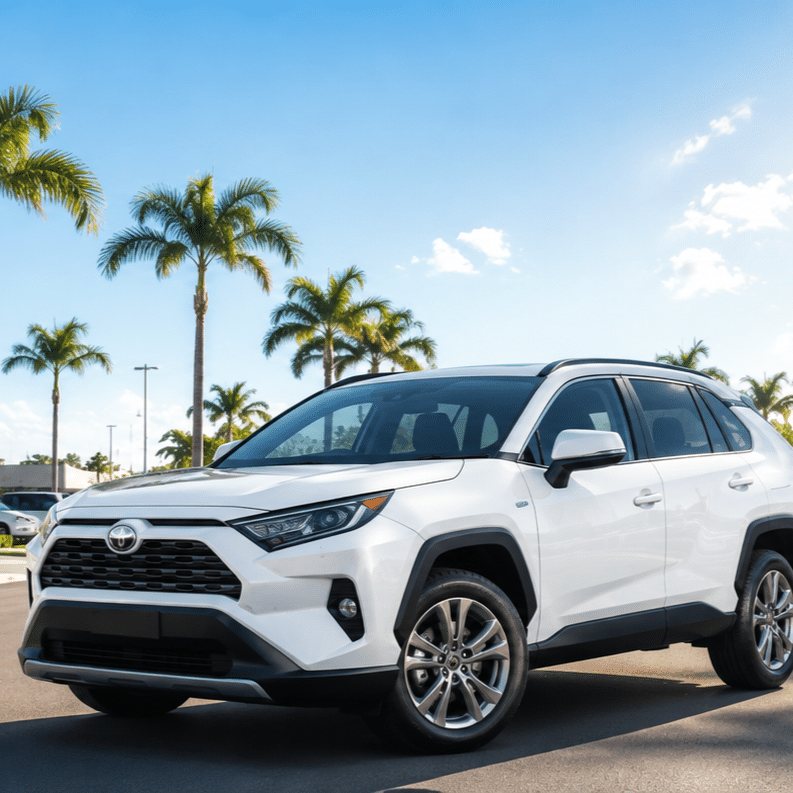 CARS
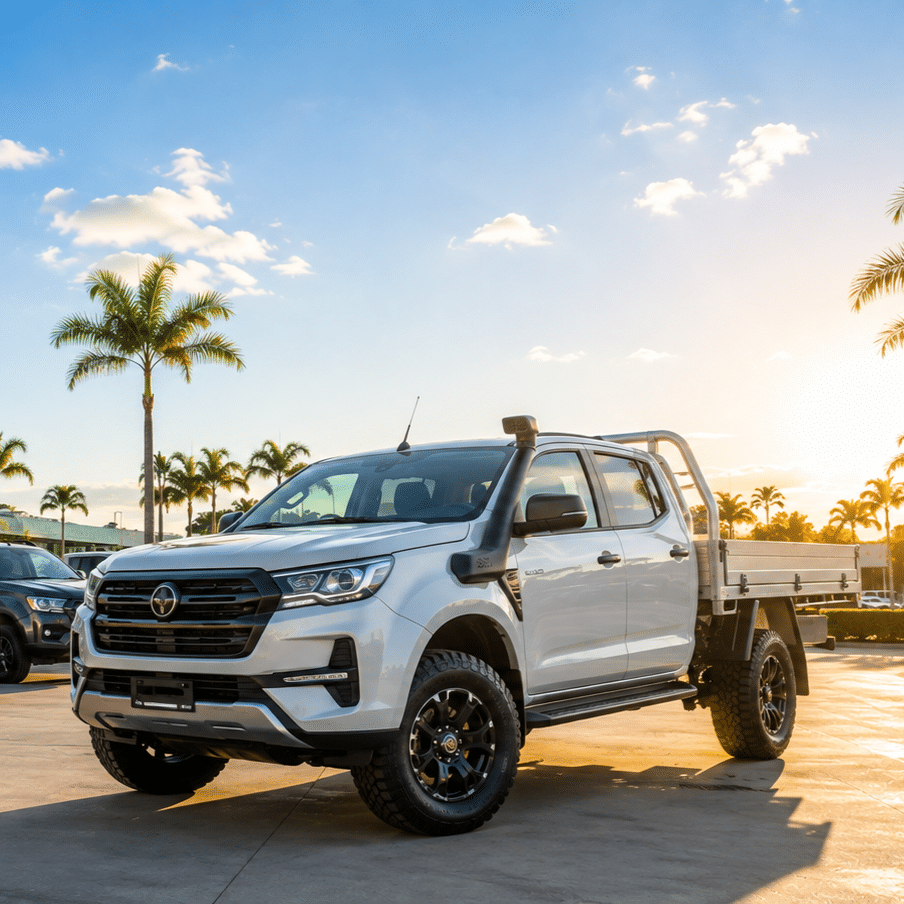 UTES
 VANS
 TRAILERS
 TRUCKS
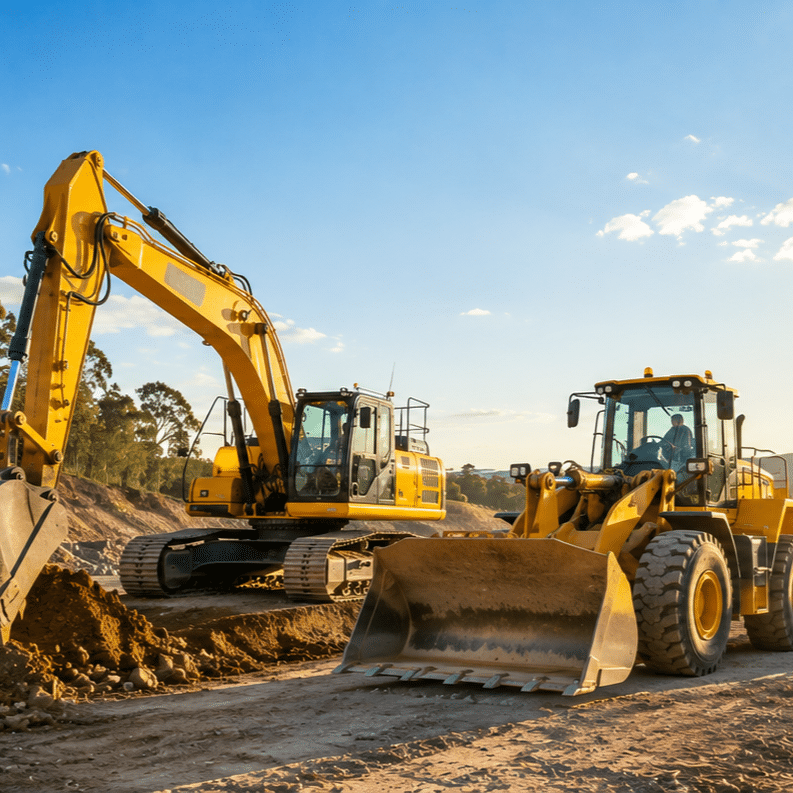 MACHINERY
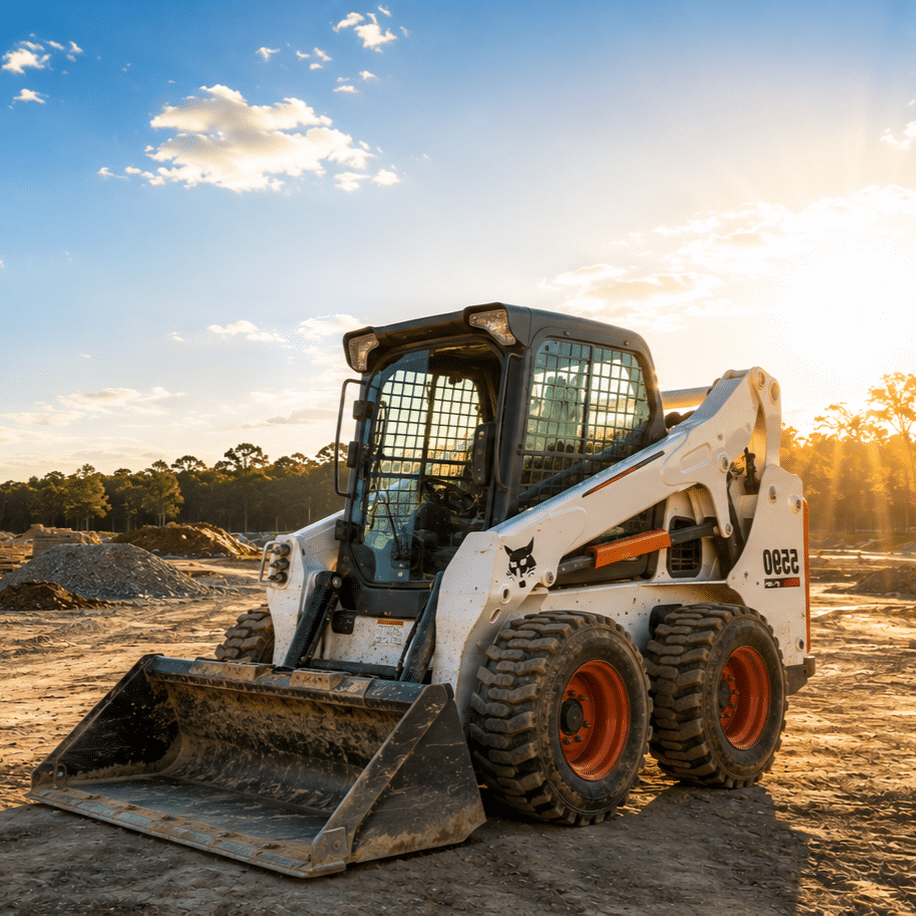 SKID STEERS
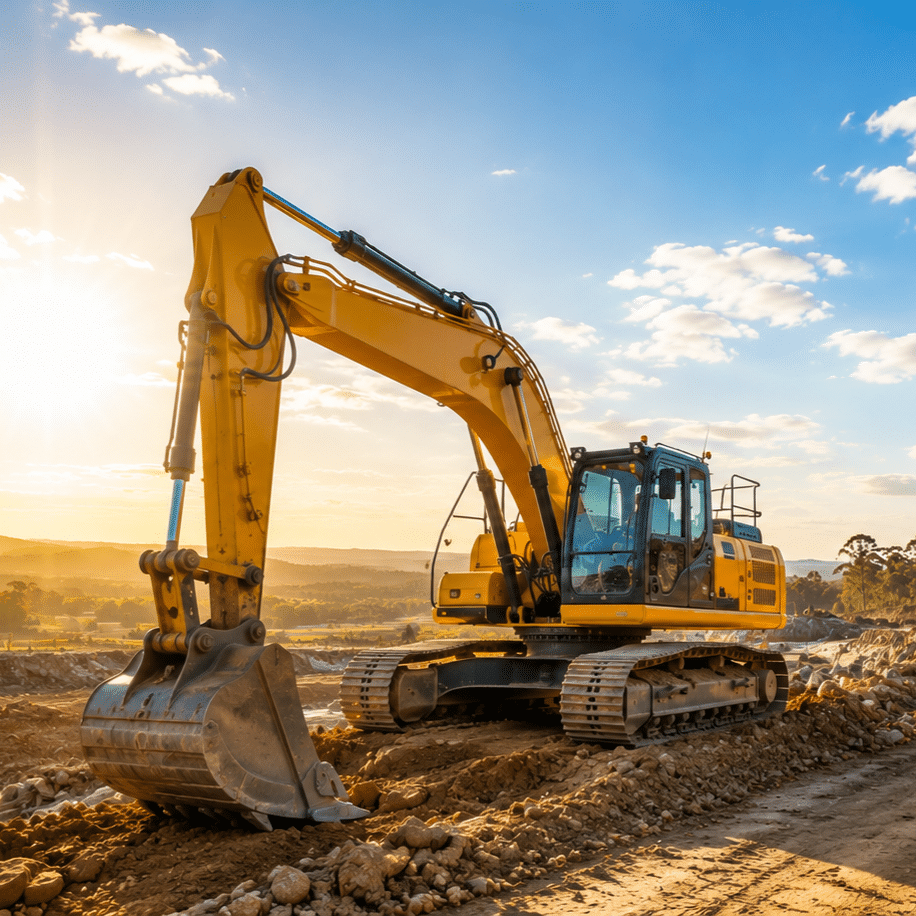 EXCAVATORS
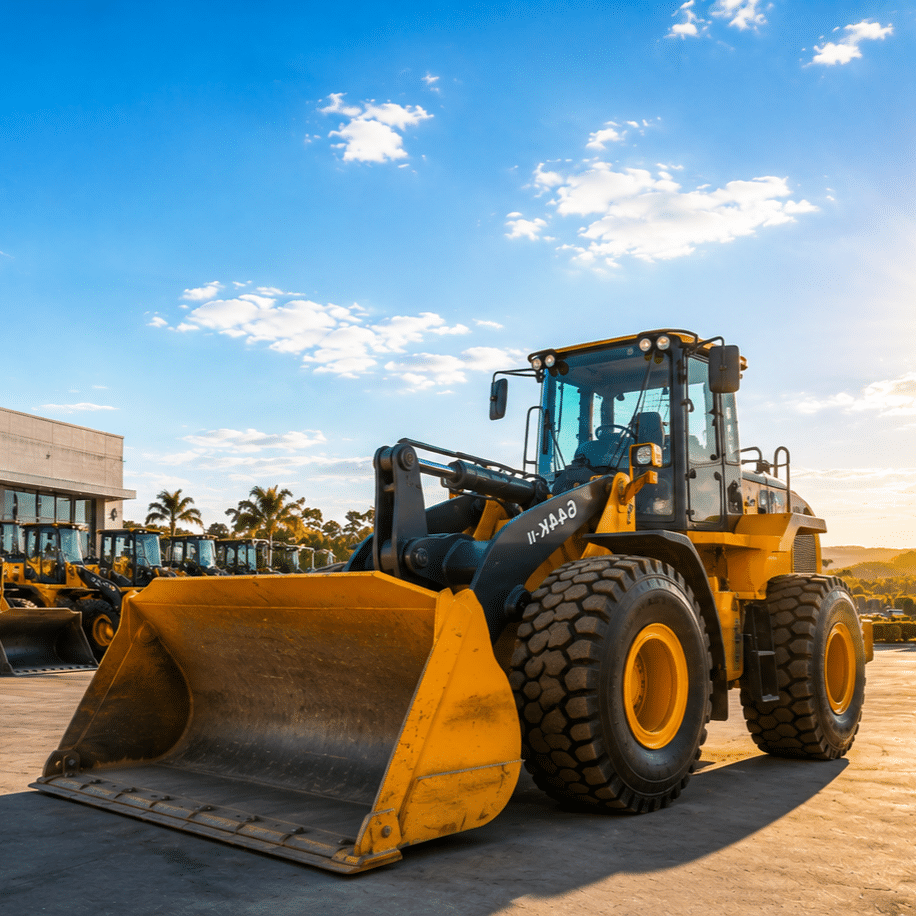 LOADERS
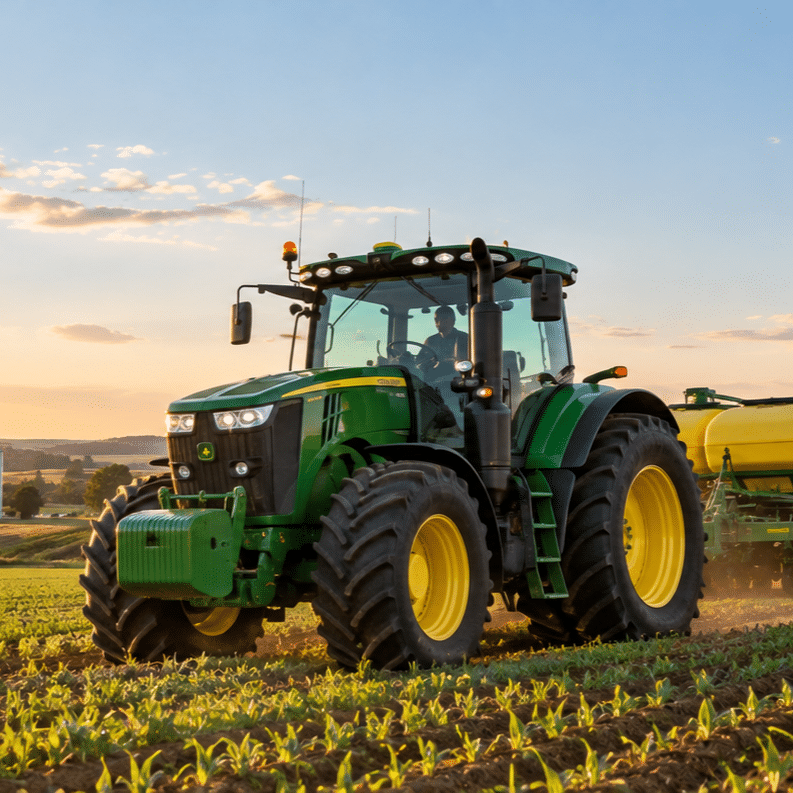 FARMING